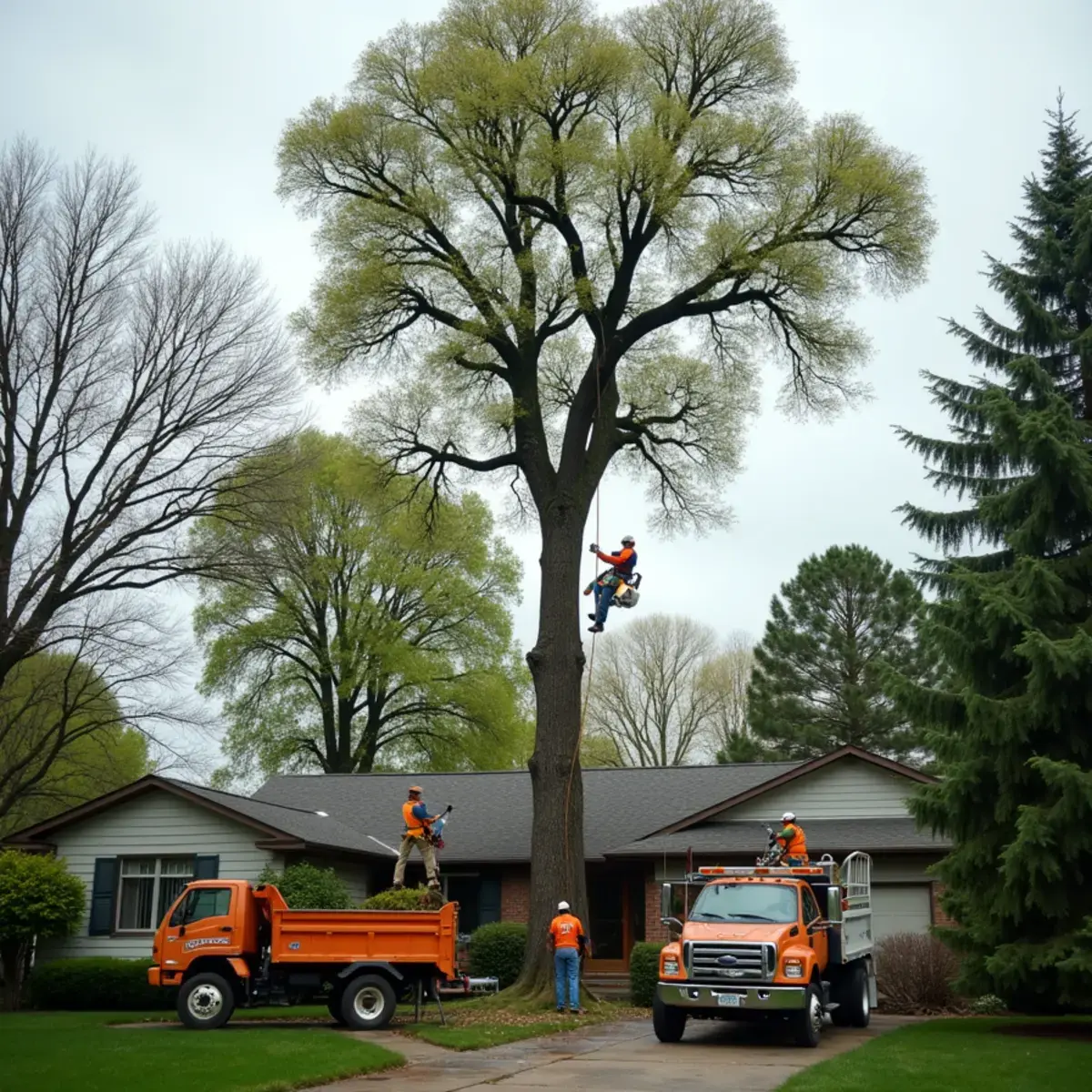
A stump is the part of the job most people forget to ask about until the tree is gone and there is a two-foot disc of hardwood sitting in the middle of the lawn. It is a mower hazard, a tripping hazard, a nursery for carpenter ants and termites, and on many species it will keep sending up suckers for years.
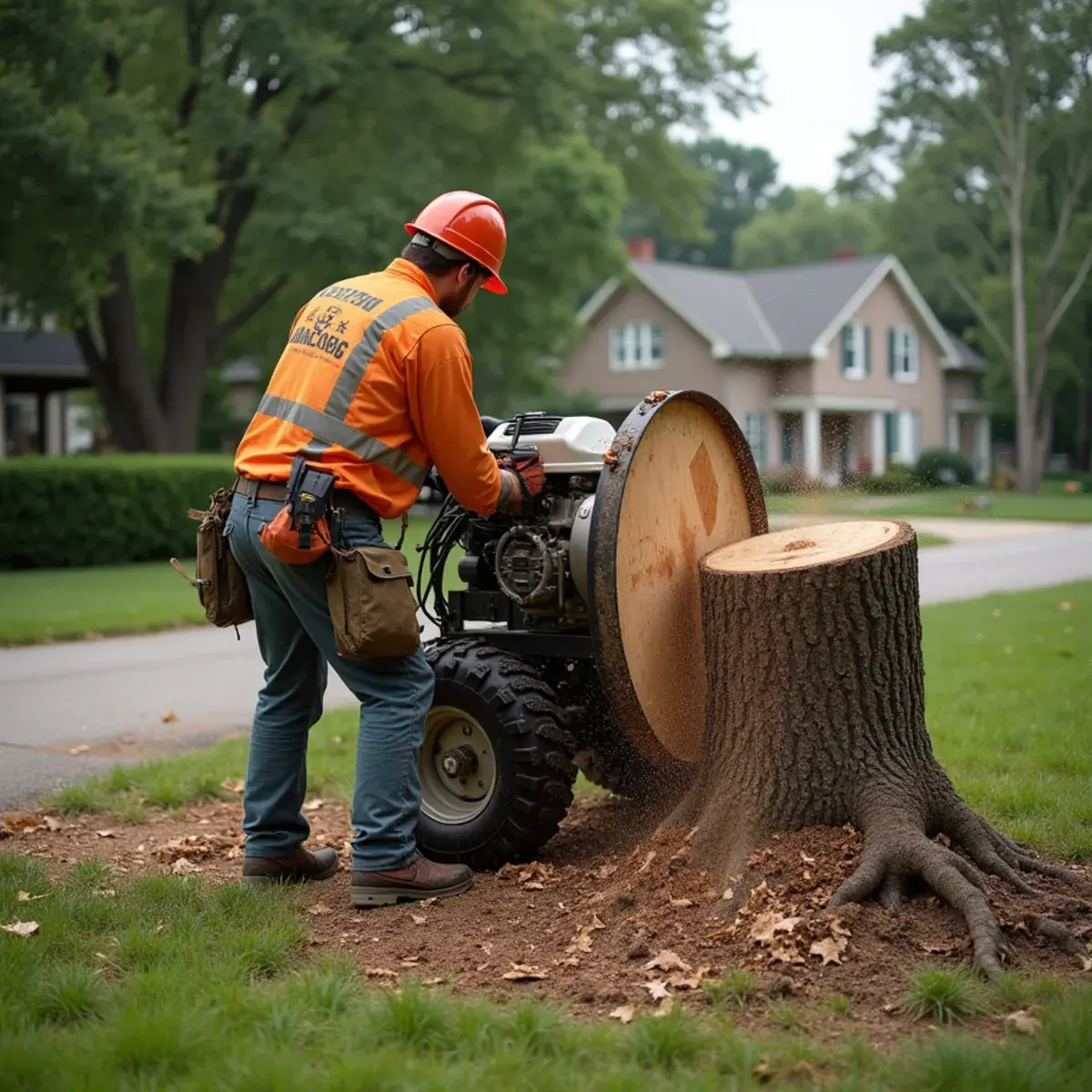
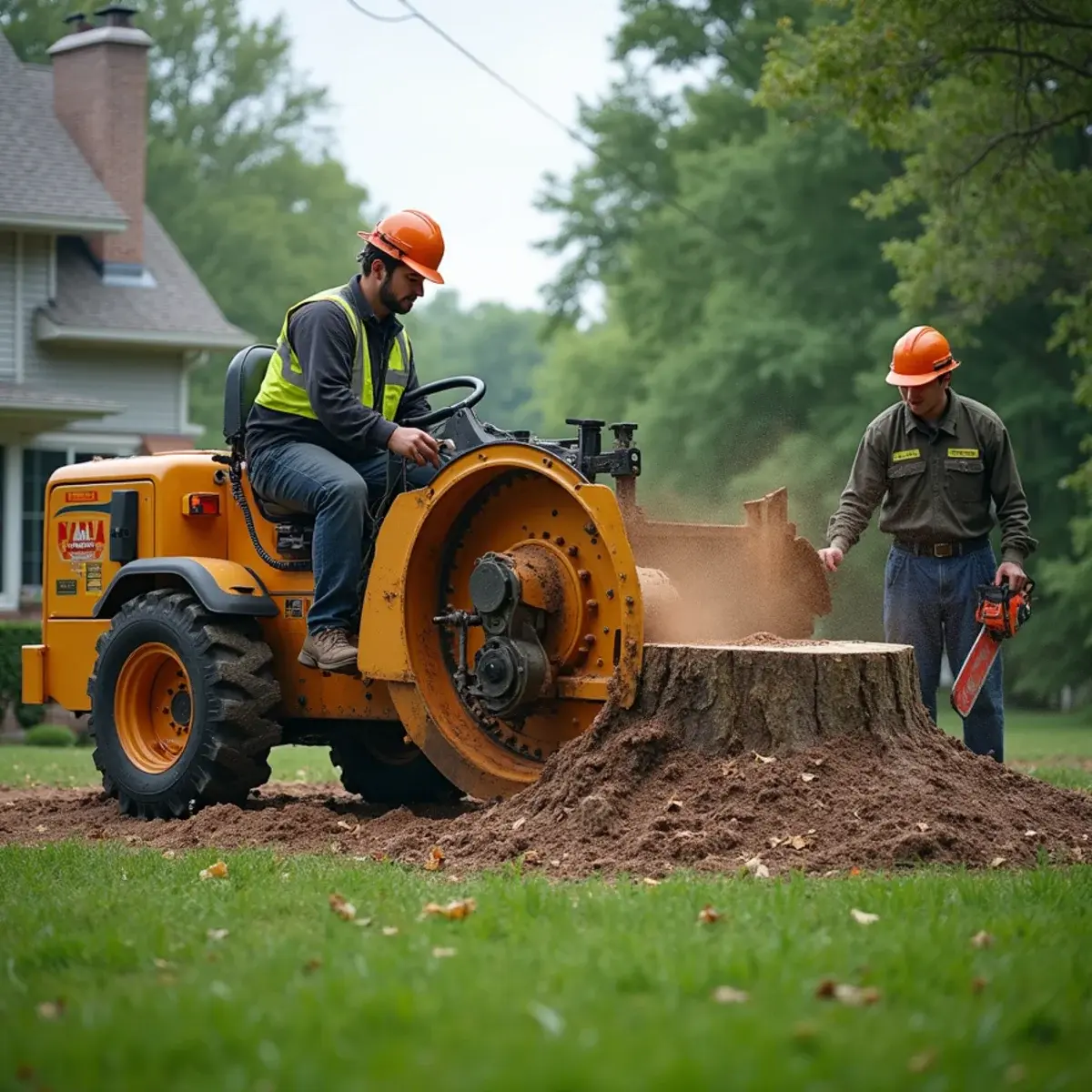
We grind stumps of any size, from an ornamental pear to a hundred-year cottonwood with a root flare wider than a car. The grinder reduces the stump and the major surface roots to chips, going six to twelve inches below grade — deep enough that you can lay sod, seed, plant something new or set a footing over the spot.
One customer told us the crew ground his stump extra low because he mentioned he was pouring a shed foundation nearby. That is the kind of thing that costs us nothing and matters a lot — so just tell us what the spot is going to become.
Why grinding the stump is worth it
Leaving a stump is always an option. Here is what you are signing up for if you do.
Suckering and regrowth
Silver maple, elm, poplar, willow and locust all resprout aggressively from a cut stump. You will be cutting shoots by hand for years unless the stump is ground out.
Carpenter ants and termites move in
Decaying stumps are ideal habitat. A stump twenty feet from your house is an insect colony twenty feet from your house.
It is a genuine hazard
Stumps disappear under grass, leaves and snow. They break mower decks, roll ankles, and are a real liability if anyone else uses your yard.
You cannot use the space
No new tree, no patio, no shed, no fence post, no clean sod line. The stump dictates the layout until it is gone.
Fungal decay spreads
Armillaria and other root-rot fungi can move from a decaying stump to nearby living trees through root contact.
It takes decades to rot on its own
A large oak or maple stump in Michigan soil can take 15 to 25 years to break down. Chemical stump removers barely accelerate that.
How we handle it, start to finish
- 1
Locate utilities first
Before any grinder touches soil we account for irrigation lines, invisible fence, gas, cable and electric. On anything questionable we get MISS DIG involved. Grinding blind into a gas line is how people get hurt.
- 2
Clear and prep the stump
We cut the stump as low as practical, clear rocks and debris from around the base, and set up shielding so chips and stone are directed away from windows, siding and vehicles.
- 3
Grind below grade
The cutting wheel sweeps side to side, taking the stump and the surface roots down six to twelve inches below the soil line — deeper on request if you are planting or pouring.
- 4
Handle the chips your way
Grinding a big stump produces a surprising volume of chips. We can haul them off entirely, backfill the hole with them, or leave a pile for you to use as mulch. Tell us at the estimate.
- 5
Backfill and finish
If the chips are hauled, we can bring in topsoil so the spot is level and ready to seed. Expect a little settling over the first few months — that is normal as the remaining fines break down.
Grinding versus full stump removal
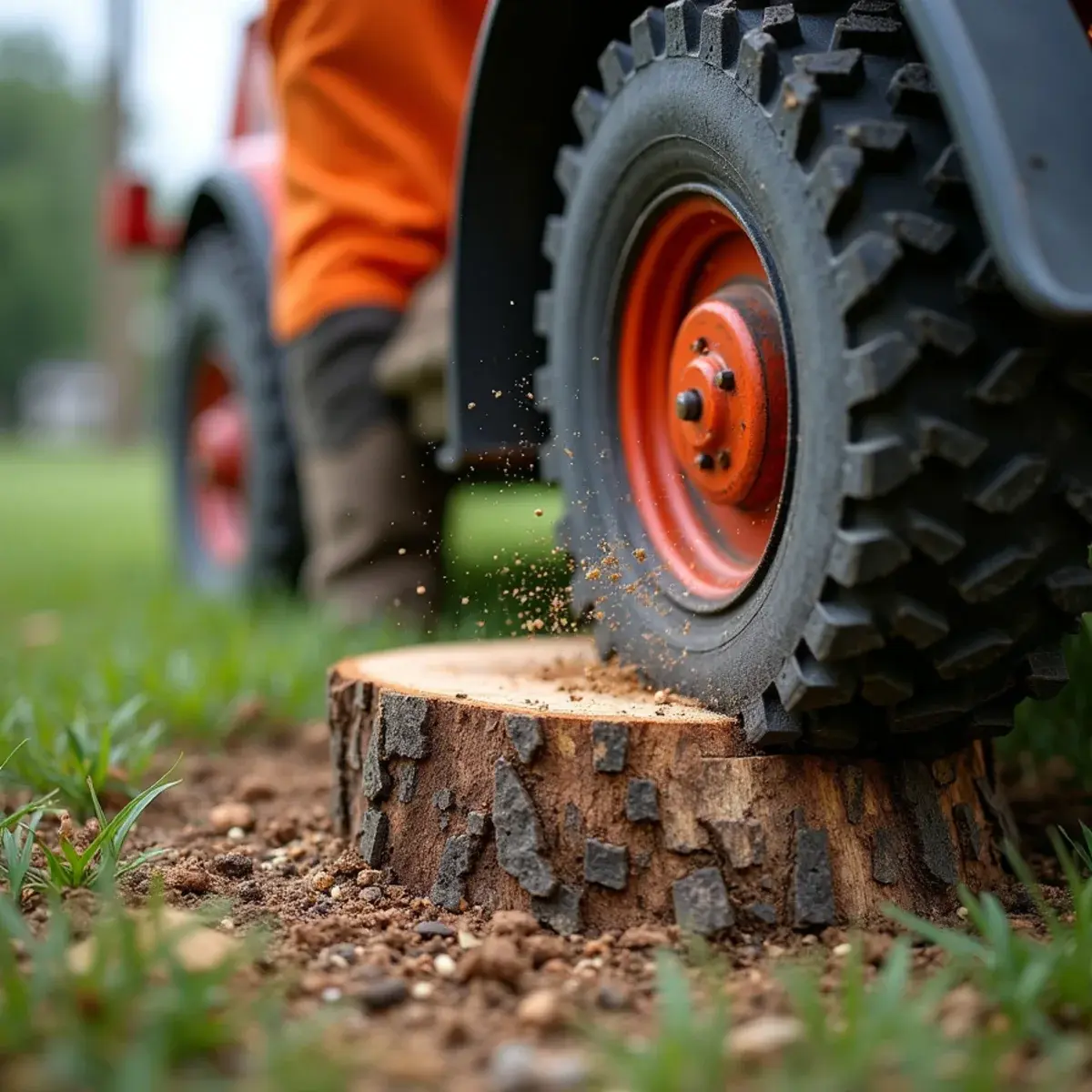
Grinding chews the stump into chips in place and leaves the deep roots to decay naturally. It is fast, it is far less disruptive to the surrounding lawn, and it is what nearly everyone should choose.
Full excavation pulls the entire root ball out of the ground with a machine. It leaves a crater, tears up a wide area, costs considerably more, and is only worth it when you are building over the spot, running a new utility trench through it, or regrading the whole yard.
Planting a new tree where the old one stood
You can, with a couple of caveats. Grind deep — twelve inches or more — and have the chips removed rather than backfilled, because decomposing wood chips tie up nitrogen in the soil and starve a new seedling. Bring in clean topsoil to fill the hole.
If the old tree died of a root disease such as Verticillium wilt or Armillaria, plant a resistant species or shift the new tree several feet off the old location. And if the previous tree outgrew the space, that is the moment to choose something that fits: a serviceberry, hornbeam or crabapple instead of another silver maple three feet from the foundation.
What to expect, from estimate to cleanup
Priced by diameter at grade, in writing
Measure the widest point of the stump at ground level including the root flare — that flare is usually far wider than the trunk above it and it is what the machine actually has to remove. The quote states the depth, what happens to the chips, and whether topsoil is included.
Most stumps take under an hour
A standard back yard stump is quick work. A large multi-stem flare, buried rock or old concrete slows it considerably. Several stumps in one visit costs far less per stump than separate trips — moving equipment to the property is a fixed cost either way.
Settling is normal for a few months
If the hole is backfilled with chips, expect it to sink over three to six months as the fines break down. Topping it up once or twice sorts it. Backfilling with clean topsoil from the start avoids most of it and is worth it if you are laying sod.
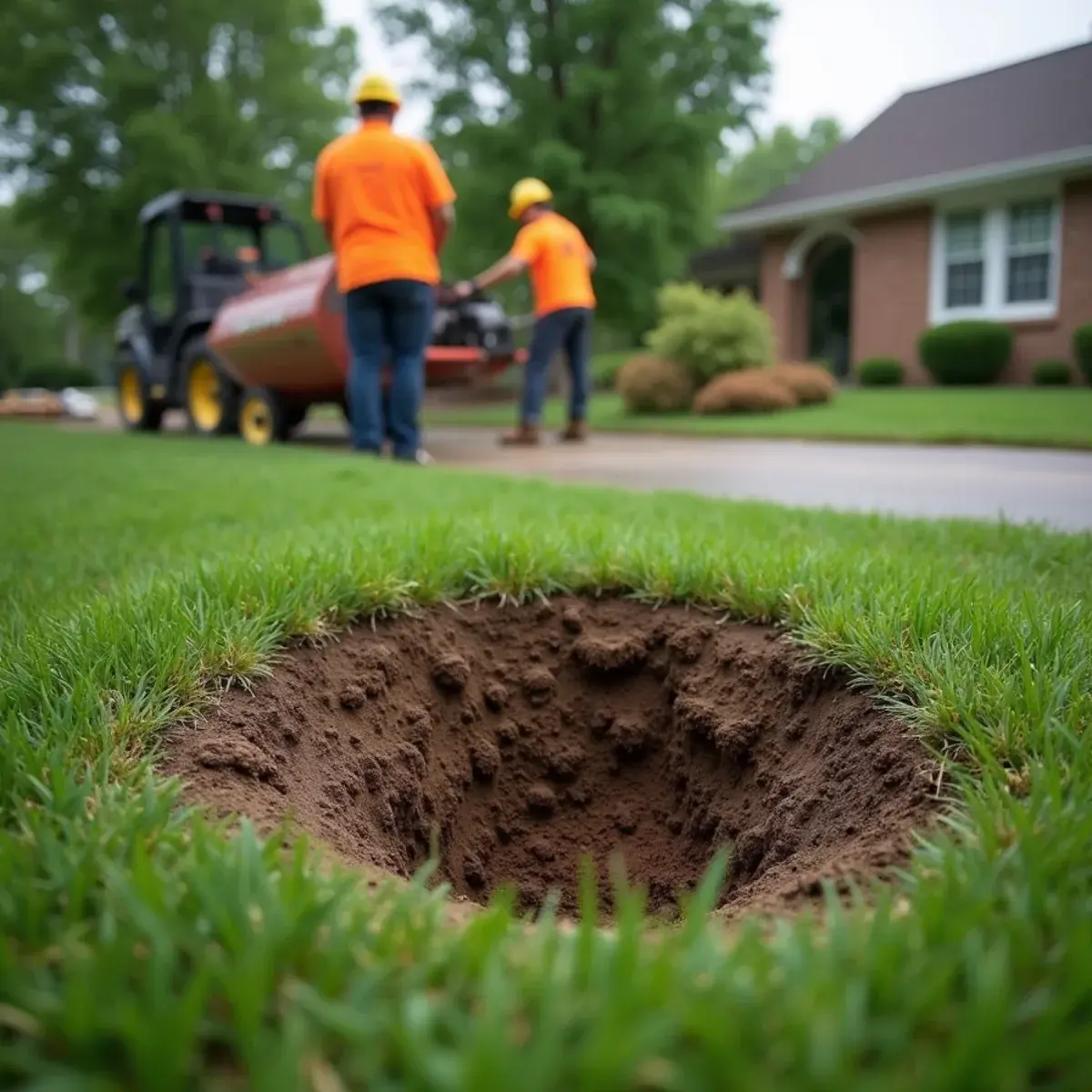
What this costs — and what changes the price
Stump grinding is usually priced by diameter measured across the widest point of the stump at ground level, with adjustments for access and conditions.
Diameter at grade
Measure the widest point including the root flare, not the trunk above it. That flare is often much wider than people expect and it is what the grinder actually has to remove.
How many you have
Multiple stumps on one visit are far cheaper per stump. Moving equipment to the property is a fixed cost either way.
Access to the stump
A grinder needs a path. A backyard behind a 36-inch gate requires a narrow-access machine; a stump on a slope or against a foundation takes longer.
Grinding depth
Standard depth handles sod and seed. Going deeper for a new tree, a patio base or a footing means more passes and more spoil.
Rocks, fill and old concrete
Urban soil is full of surprises. Buried stone and rubble dull teeth fast and slow the work down.
Chip haul-off and topsoil
Leaving the chips is free. Hauling them and backfilling with clean topsoil is an add-on, and worth it if you are re-sodding.
If we are already on site for a removal, adding the stump the same day is meaningfully cheaper than a separate trip later.
What customers say about our stump grinding & removal
Every quote below is from a published Google review left by someone who had this specific work done. We do not borrow proof from other services.
“I just had One of a Kind Tree Service remove a large, dead evergreen in my backyard and I couldn't be happier with the results or service. The owner Eddie came the same day after I called him and gave me a price quote that was several hundred dollars less than I expected. They came out this morning, cut the tree down, removed it and ground out the stump. The crew, Paul and Steven, were great! They were careful not to damage anything as they worked. Awesome work!”
“Crew arrived as expected and were very particular about protecting my and my neighbors' properties. Very professional, courteous and efficient. Removed a 35 foot pine tree, ground out stump and cleaned the area immaculately in just over an hour. Would definitely hire again if needed.”
“I could not be more satisfied. I had a large tree and stump removed. I got several estimates and they came in at 1/2 the cost of other estimates. Team and owner were knowledgeable and very friendly. I would strongly recommend them to anyone.”