The most common question we get is not "how much." It is "should I be worried about this tree?"
That is a fair question and it deserves a real answer rather than a sales pitch. Plenty of trees that look alarming are structurally fine and just need deadwood pulled out. Plenty of trees that look perfectly healthy have root rot at the base and will go over in the next big wind. You cannot tell from the driveway, and neither can a company that quotes you over the phone.
We come out and look. If it needs to come down, we will say so and tell you why. If it does not, we will say that too — and that answer costs you nothing.
What we look at
A useful assessment covers the whole tree, from the soil to the top of the canopy, plus what is underneath it.
Root flare and soil
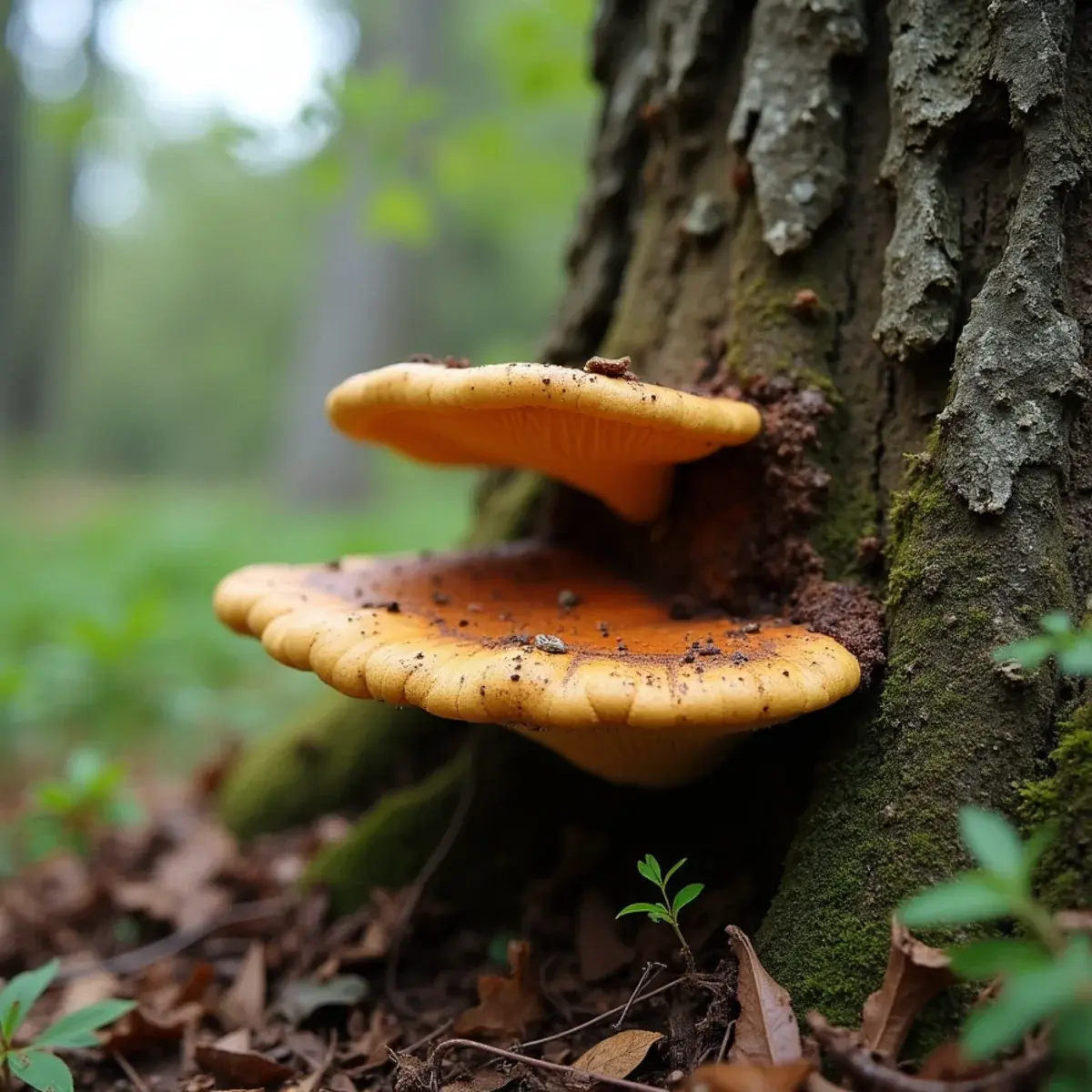
Is the flare visible or buried? Any heaving, cracking or mounding? Girdling roots circling the trunk? Fungal conks at the base? Root problems cause the failures that give no warning.
Trunk condition
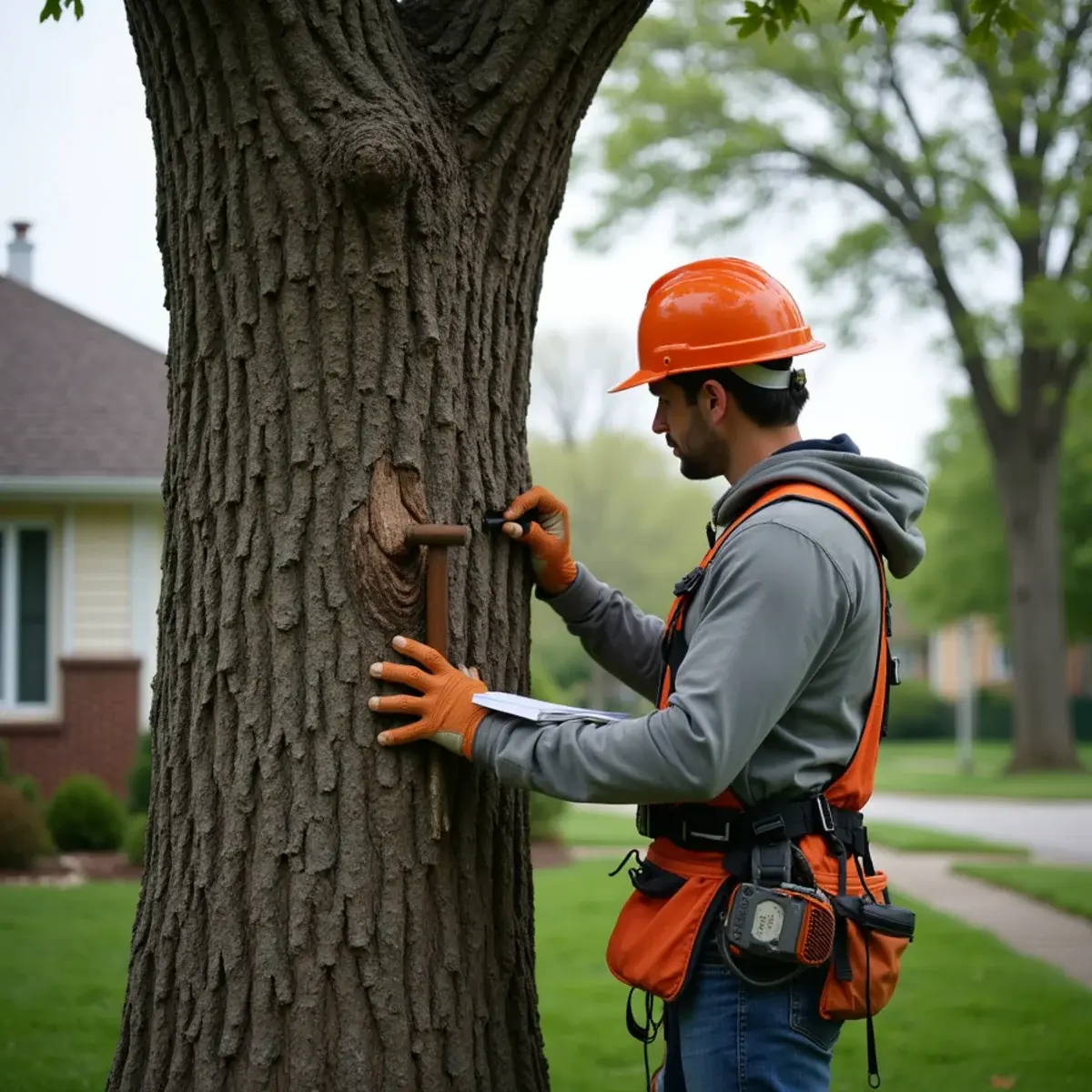
Cavities, seams, bulges, old wounds, included bark at major unions, and sounding the trunk for hollow areas. We are judging how much sound wood remains.
Canopy vigor
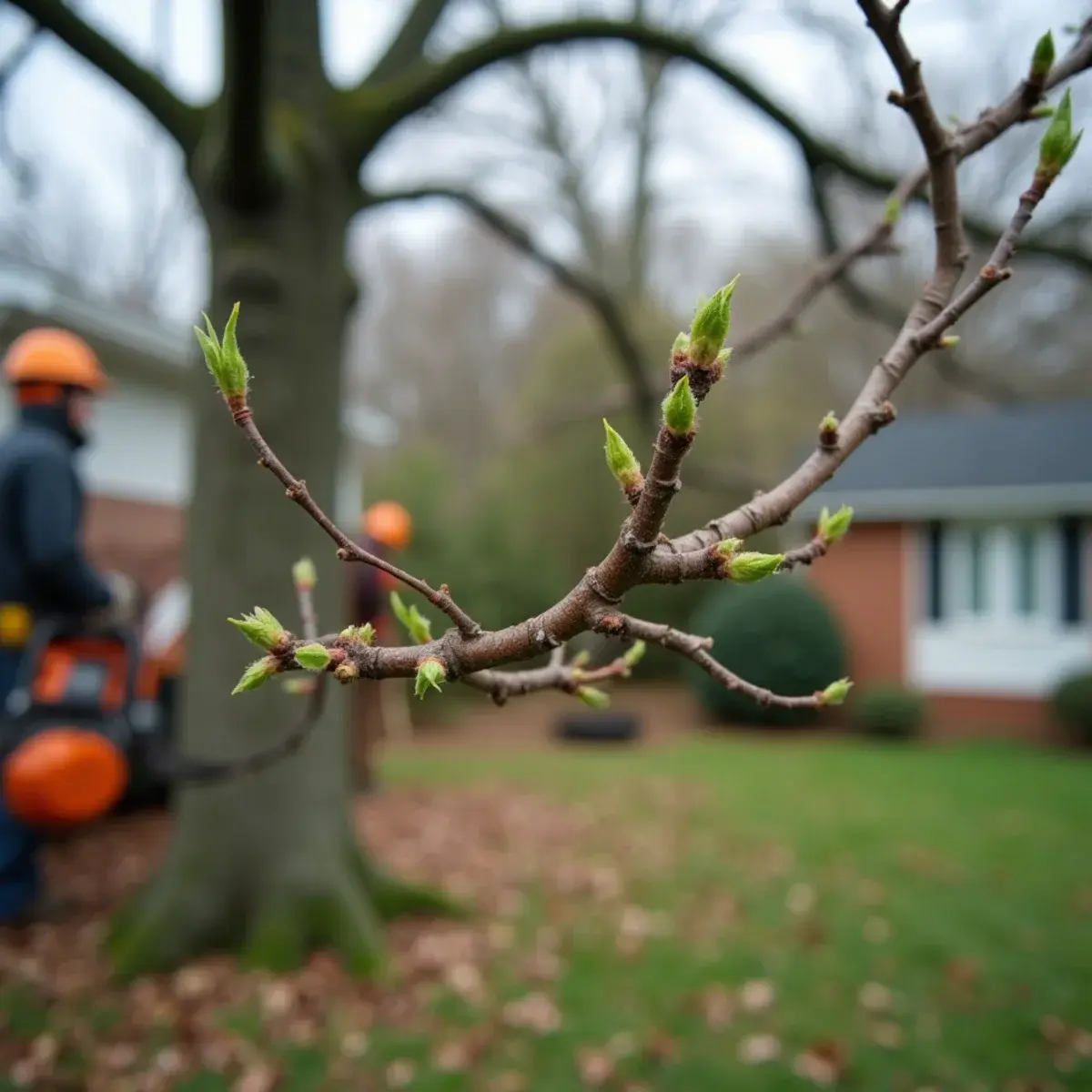
Percentage of deadwood, leaf size and color relative to normal for the species, dieback pattern, and whether the tree is putting on new growth or has stalled.
Pests and disease signs
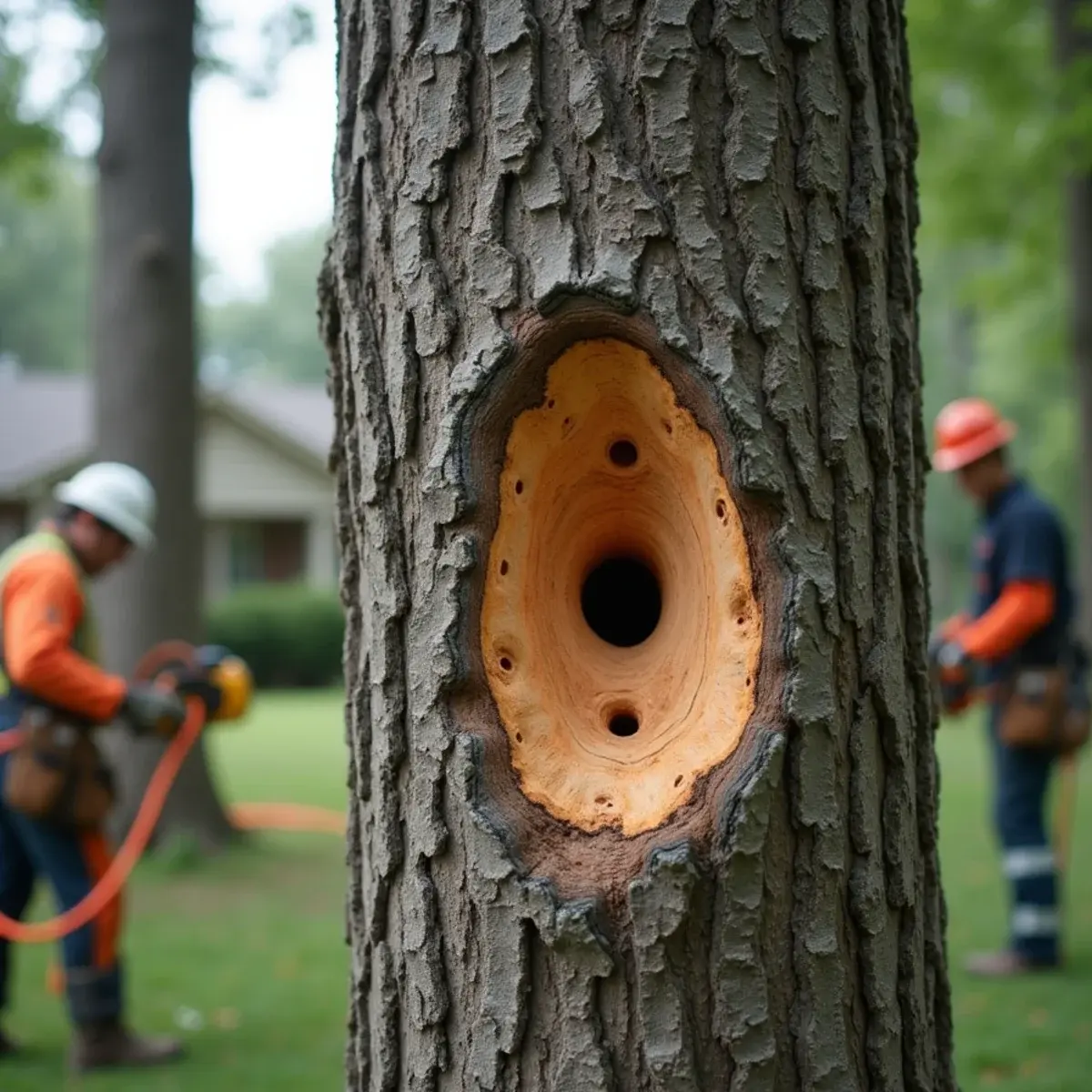
D-shaped exit holes and blonding on ash. Wilting and leaf drop on oaks in summer. Cankers, oozing, unusual leaf spotting.
History and site changes
Recent trenching, grade changes, driveway work or construction near the roots. Storm damage from a previous season. Past topping.
What is beneath it
Risk is failure probability multiplied by consequence. The same tree is low risk over an empty back lot and high risk over a bedroom.
How we handle it, start to finish
- 1
Ground inspection from all sides
We circle the tree, look at it against a fixed vertical reference for lean, and inspect the root zone and trunk carefully. Most useful information is found in the first ten feet.
- 2
Canopy evaluation
Deadwood percentage, branch attachments, hangers, and any previous failures. Binoculars beat guessing from the ground.
- 3
Species and site context
What is normal for this species at this age in Michigan, and what the site is doing to it — compacted soil, salt exposure, standing water, restricted root space.
- 4
A plain-English verdict
Remove, prune, cable, monitor, or leave alone. With the reasoning, so you can make your own call rather than taking our word for it.
- 5
Written scope if you want work done
If action is warranted, you get a written scope and price. If it is not, you get that in plain terms and we go home.
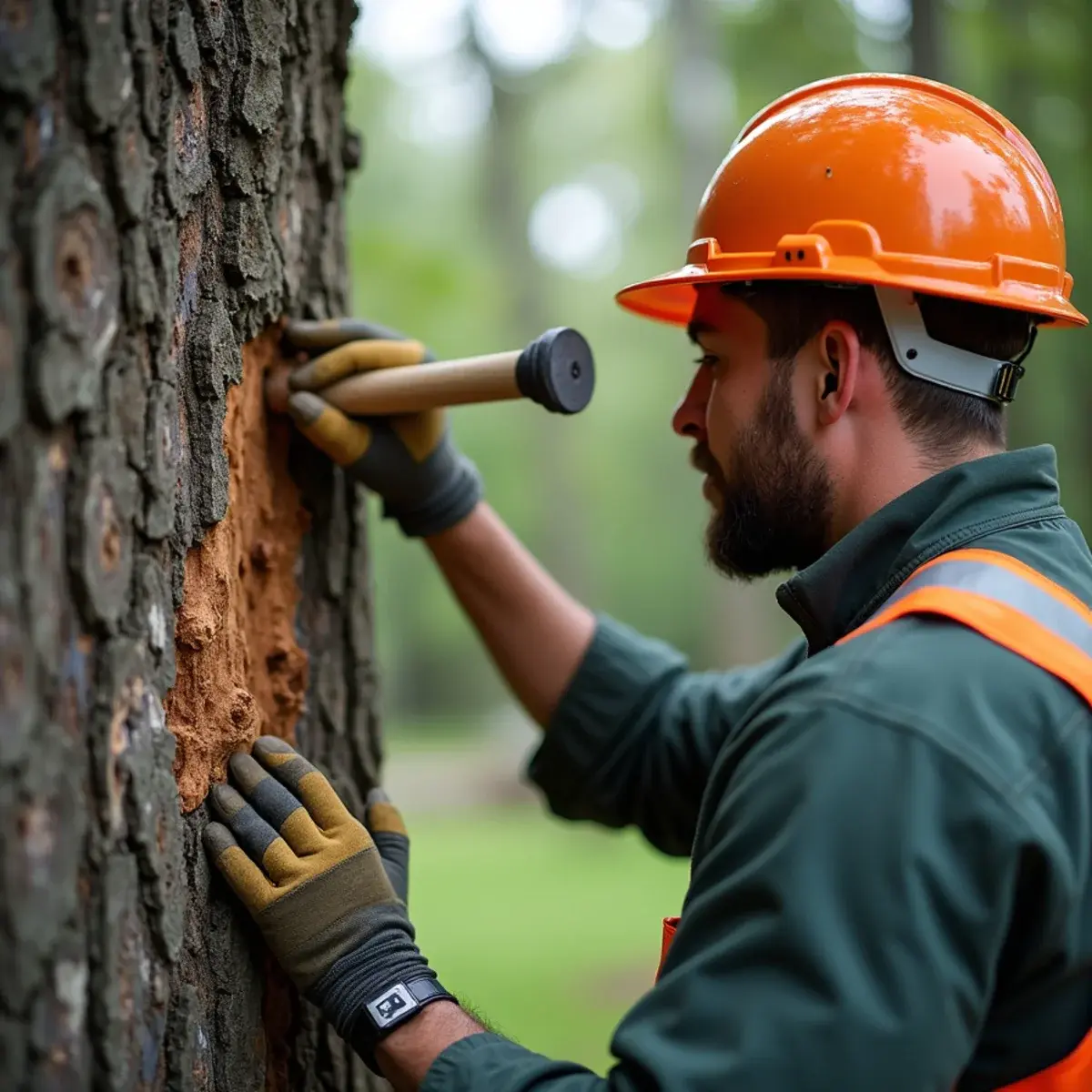
The Michigan-specific problems we look for first
Emerald ash borer has killed tens of millions of ash trees across this state since it was found near Detroit in 2002. Any ash we look at gets checked for D-shaped exit holes, bark blonding where woodpeckers have been working, epicormic sprouting from the trunk, and canopy thinning from the top down. An ash with significant canopy loss is usually past saving and becomes brittle quickly.
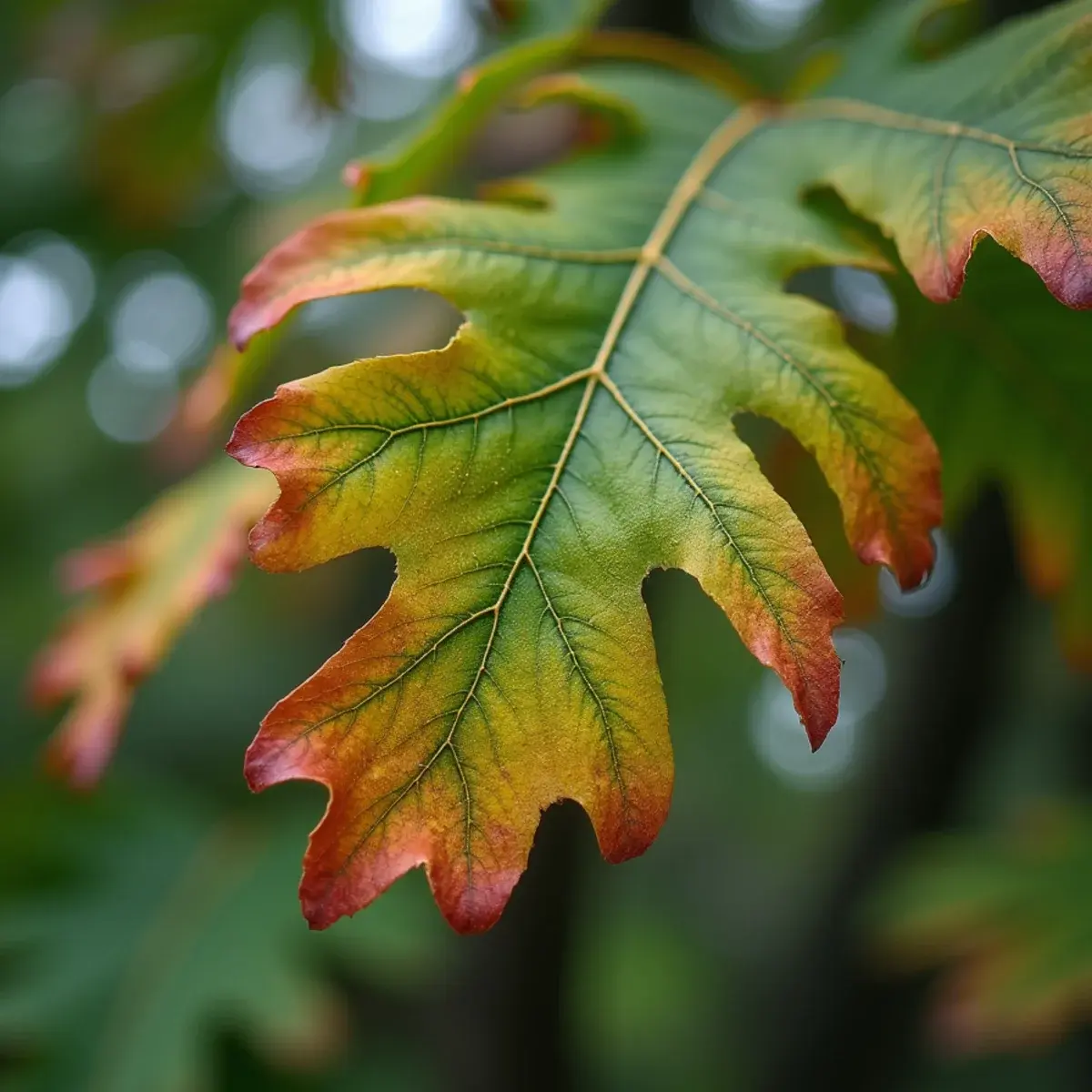
Oak wilt is the other one. It kills red oaks fast — sometimes within a single season — and moves between trees through grafted roots. Rapid summer leaf drop with leaves browning from the tip inward is the classic sign. It is also why pruning oaks between April and July is a genuinely bad idea in Michigan.
Beyond those: Verticillium wilt in maples, Dutch elm disease in the remaining mature elms, apple scab on crabapples, and the plain mechanical failures that come from decades of poor pruning and soil compaction in older neighborhoods.
What we will tell you honestly
- When a tree is fine and you should keep your money in your pocket. This happens often.
- When pruning will genuinely extend a tree's life versus when it is delaying an inevitable removal.
- When a tree can safely wait until winter, which is easier scheduling and often better for the tree.
- When something is beyond our scope and you need a consulting arborist or a licensed applicator instead.
- When a tree needs to come out now — and we will explain exactly what we are seeing that says so.
What to expect, from estimate to cleanup
A verdict in plain English
Remove, prune, cable, monitor or leave alone — with the reasoning, so you can make your own call rather than taking our word for it. Free as part of any estimate, and free even when the answer is that you should keep your money.
Twenty minutes to half an hour per property
We circle each significant tree, check the root flare and trunk, evaluate canopy vigour and note what sits underneath it. Multi-tree properties, HOAs and commercial sites wanting a documented prioritised inventory are quoted as their own deliverable.
Written follow-up when it matters
For insurance, a real estate transaction or a neighbour dispute, we can produce a written assessment. That takes longer to do properly and is priced separately — but a documented professional opinion is genuinely valuable exactly once.
What this costs — and what changes the price
A standard assessment tied to a potential job is free. That is how we do estimates and always have.
Standard property assessment
Free, as part of any estimate. We walk your trees and tell you what we see.
Multi-tree written inventory
For larger properties, HOAs and commercial sites wanting a documented, prioritized report, that is quoted as its own deliverable.
Documentation for a dispute or claim
Written assessments for insurance, real estate transactions or neighbor disputes take more time to produce properly and are priced accordingly.
Nobody should be charged to find out whether their tree is about to fall on their house. Call the office line and we will come look.