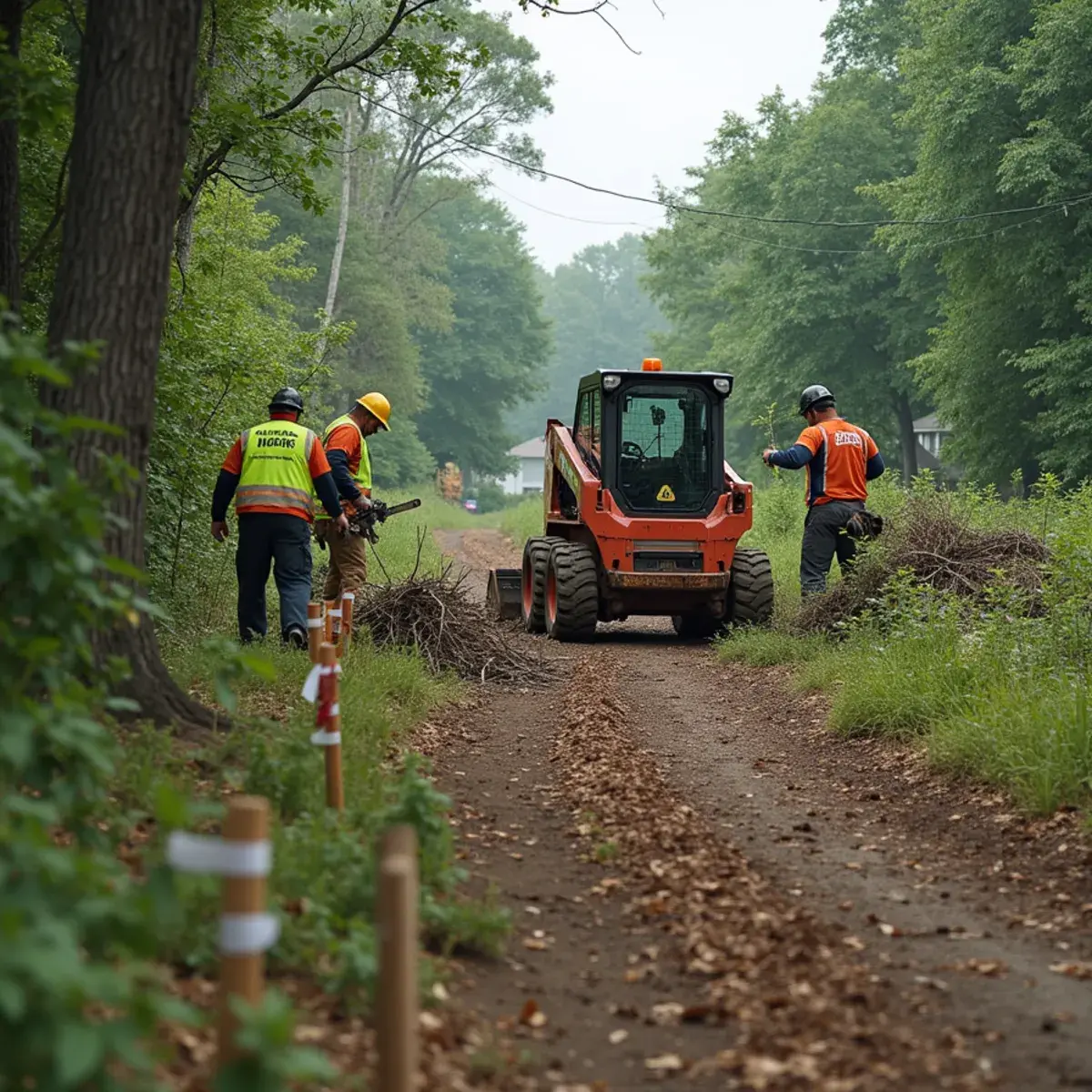
Land in southeast Michigan does not stay open on its own. Leave a lot alone for five years and buckthorn, honeysuckle, box elder, mulberry and tree-of-heaven will have made it impassable. Leave a fence line alone for ten and you will not be able to find the fence.
We clear overgrown residential lots, rear property lines, ditch banks, easements and small commercial parcels. Everything gets cut, chipped and hauled, and you get usable ground back.
This is also the work that makes a property sellable. Realtors call us for the same reason builders do: an overgrown parcel photographs badly and appraises worse, and a cleared one shows what the buyer is actually purchasing.
What we clear
From a strip along the back fence to a full parcel.
Overgrown residential lots
Vacant parcels, side lots and back halves of deep properties that have grown into thicket. Cut back to open ground or to a chosen tree line.
Fence lines and property boundaries
Volunteer trees growing through chain link do real damage and make replacement fencing impossible until they are gone.
Building and addition sites
Clearing footprints for a garage, pole barn, addition or pool, including root systems that would interfere with a slab.
Invasive species removal
Common buckthorn, Asian honeysuckle, autumn olive and tree-of-heaven dominate disturbed ground across Wayne and Oakland counties. Cutting alone is not enough on these — they resprout hard.
Ditch banks, easements and utility corridors
Drainage courses and access easements that have grown in and need to be reopened.
Selective clearing
Removing the scrub while keeping the mature oaks, hickories and maples worth keeping. This is the version most homeowners actually want.
How we handle it, start to finish
- 1
Walk the parcel and mark it out
We flag exactly what stays and what goes, confirm property lines with you, and identify anything hiding in the brush — old wells, foundations, dumped debris, wetland edges.
- 2
Take out the standing trees first
Any tree big enough to require rigging comes down before the brush work starts, while there is still room to maneuver.
- 3
Cut and chip the understory
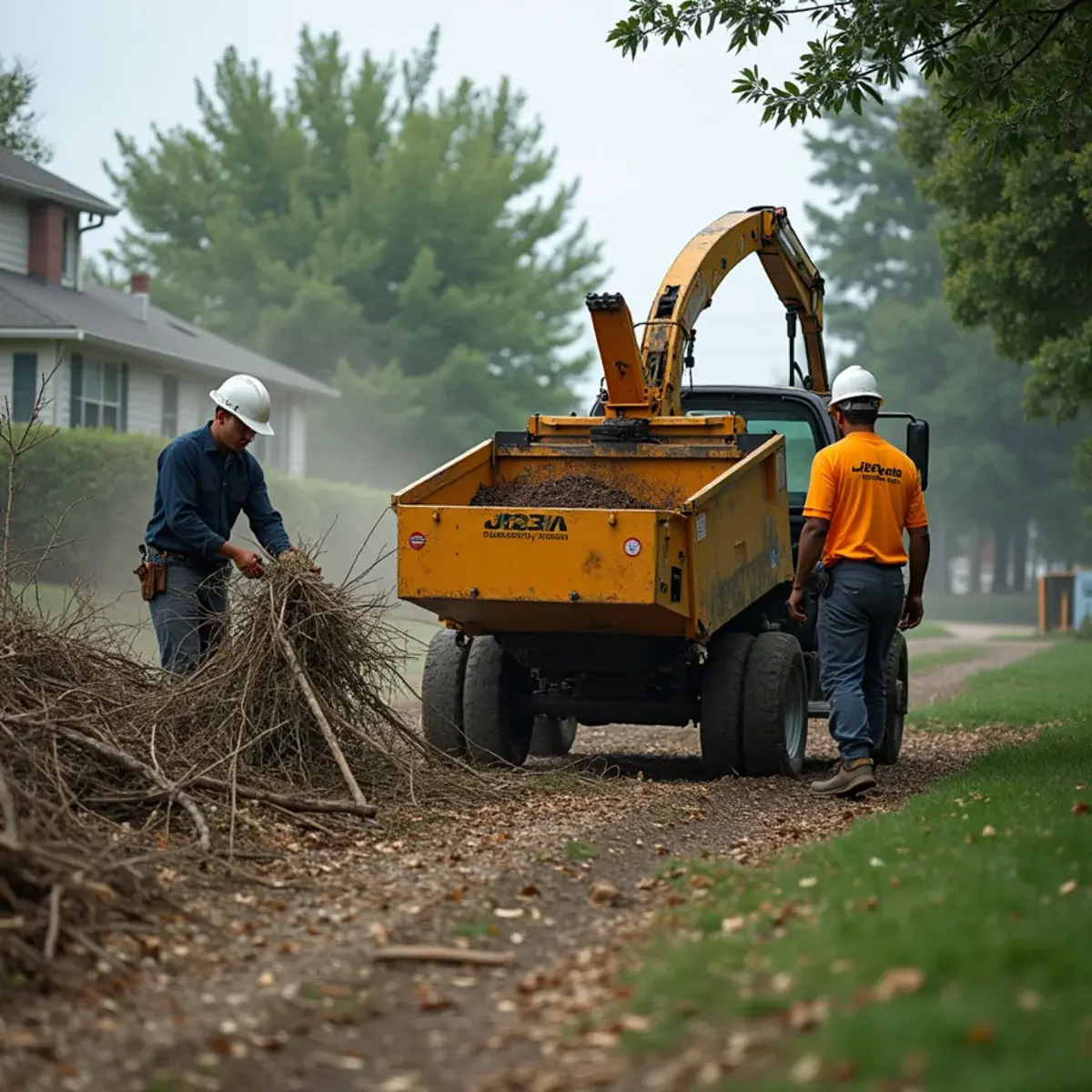
Brush and saplings are cut and fed through the chipper. On larger parcels a forestry mower makes more sense than hand cutting and we will tell you which applies.
- 4
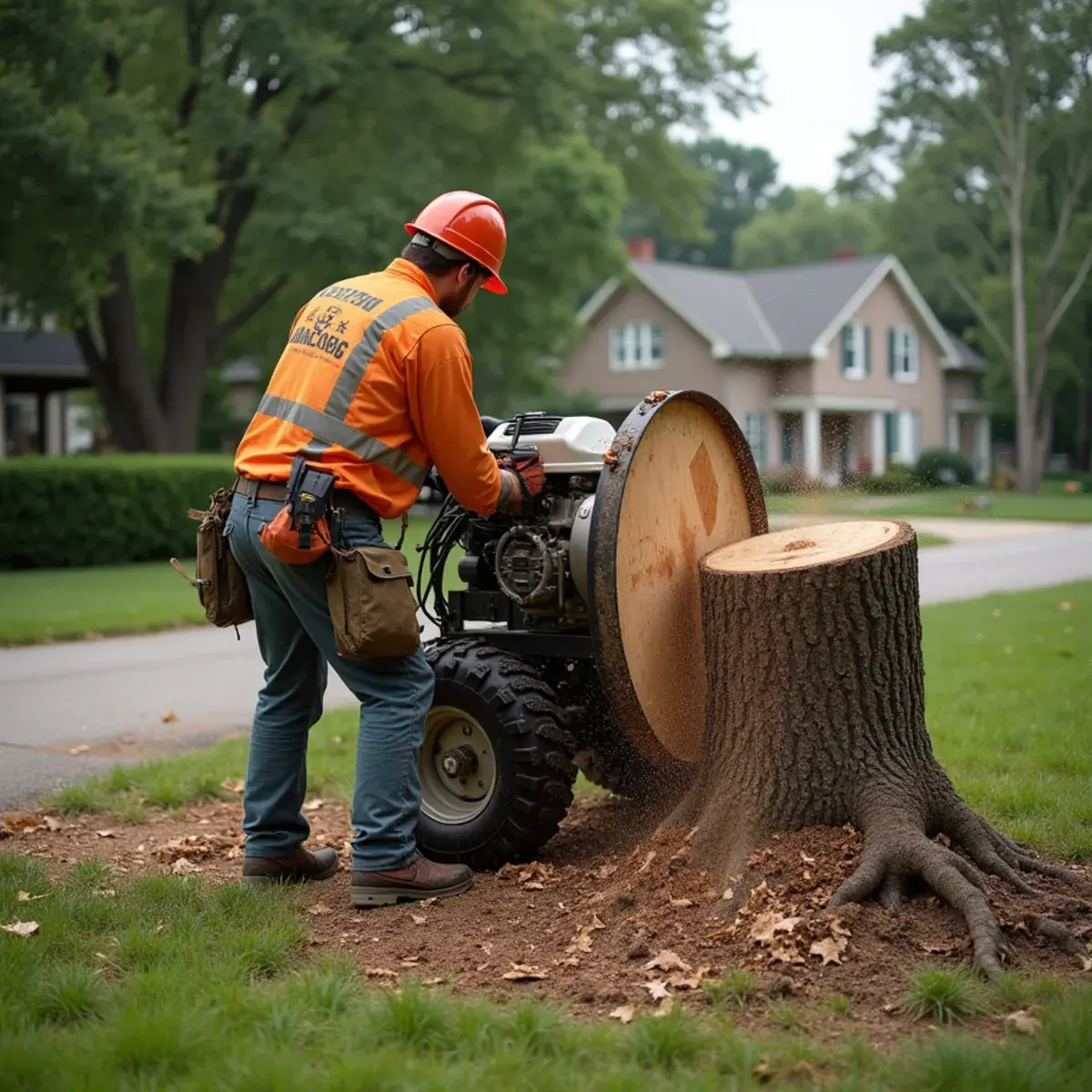
Deal with stumps and roots
Depending on the plan for the land, stumps get ground flush, ground deep for construction, or left. Building sites need the root systems out.
- 5
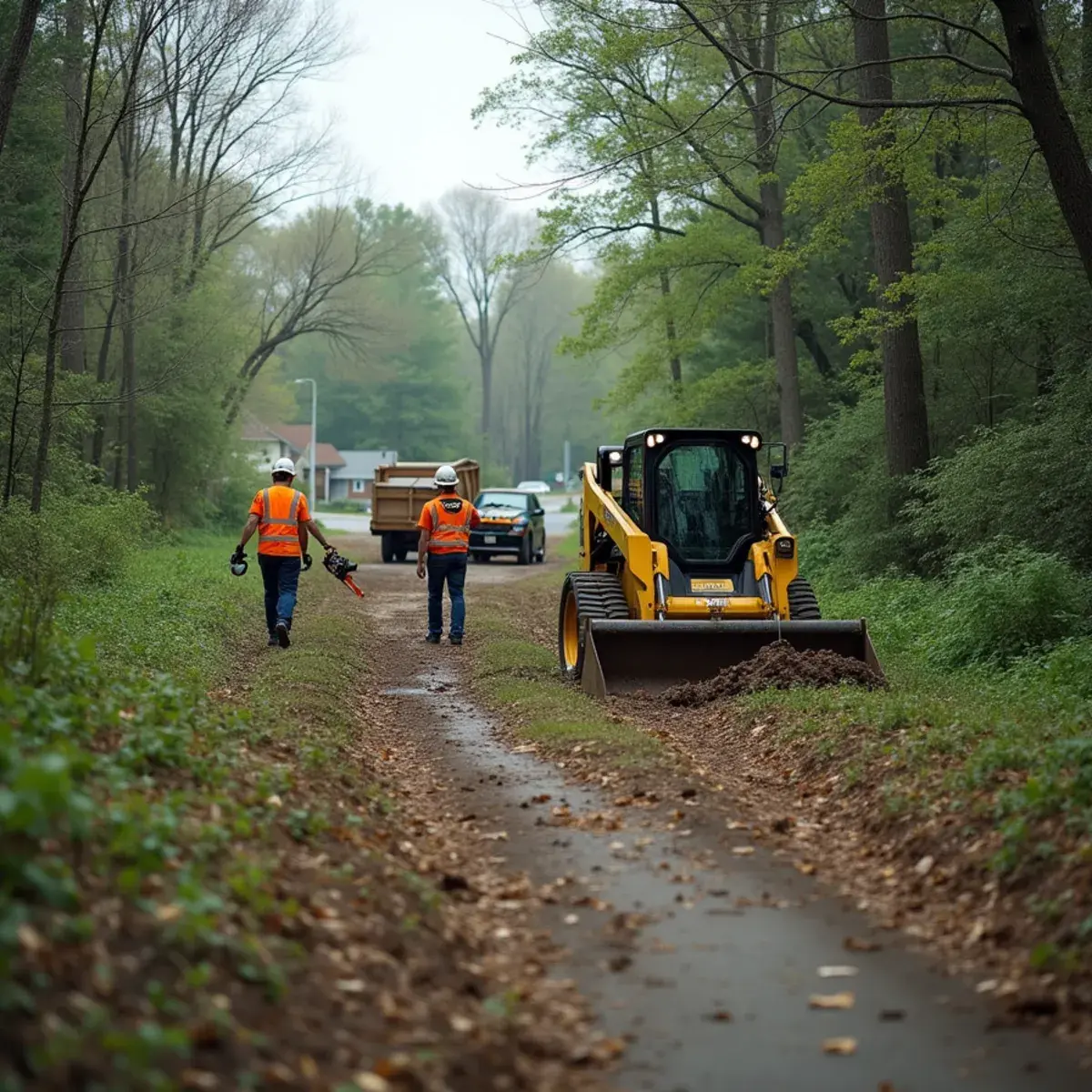
Grade the surface and haul out
Debris trucked off, ground raked reasonably level, and the parcel left ready for seed, gravel, fence or a foundation.
The invasive species we fight most in southeast Michigan
- Common buckthorn — the single worst offender on disturbed ground here. Leafs out early, holds leaves late, shades out everything beneath it, and resprouts vigorously from a cut stump. Cutting without treating the stump makes it thicker.
- Asian bush honeysuckle — forms impenetrable thickets along fence lines and woodland edges. Shallow-rooted, so smaller plants pull cleanly.
- Tree-of-heaven (Ailanthus) — spreads by root suckers over a wide radius. Cutting the main stem triggers dozens of new shoots. This one genuinely needs a treatment plan, not just a saw.
- Autumn olive — silvery leaves, fixes nitrogen and changes the soil chemistry in ways that favor more invasives.
- Oriental bittersweet and wild grape — vines that girdle and eventually pull down mature trees. Cutting the vine at the base is one of the highest-value hours you can spend on a wooded lot.
Before you clear: things worth checking
Michigan regulates wetlands, and parts of Wayne, Monroe and Washtenaw counties have wetland areas that are not obvious to look at. If your parcel holds water in spring or supports cattails and sedges, check with EGLE before clearing rather than after.
Some municipalities also have tree preservation or woodland ordinances that apply to clearing above a certain size or to trees above a certain diameter. And if the land is enrolled in a conservation or agricultural program, clearing can affect that status.
We check what applies to your address as part of the estimate. It is a lot cheaper to find out first.
What to expect, from estimate to cleanup
The keepers get flagged before anything is cut
We walk the parcel with you, mark exactly what stays, confirm the property lines and note anything hiding in the brush — old wells, foundations, dumped debris, wetland edges. The scope states the stump treatment, because that is most of the budget difference.
Days, not hours, on real acreage
A hundred-foot fence line is an afternoon. Half an acre of dense buckthorn is a multi-day job with several truckloads. On larger parcels we will offer options: full clear, selective clear, or phased across two seasons to spread the cost.
Usable ground, and a plan to keep it
Debris trucked off and the ground raked reasonably level, ready for seed, gravel, fence or a foundation. We will also tell you what it takes to stop it growing back, which is a real conversation rather than a formality.
What this costs — and what changes the price
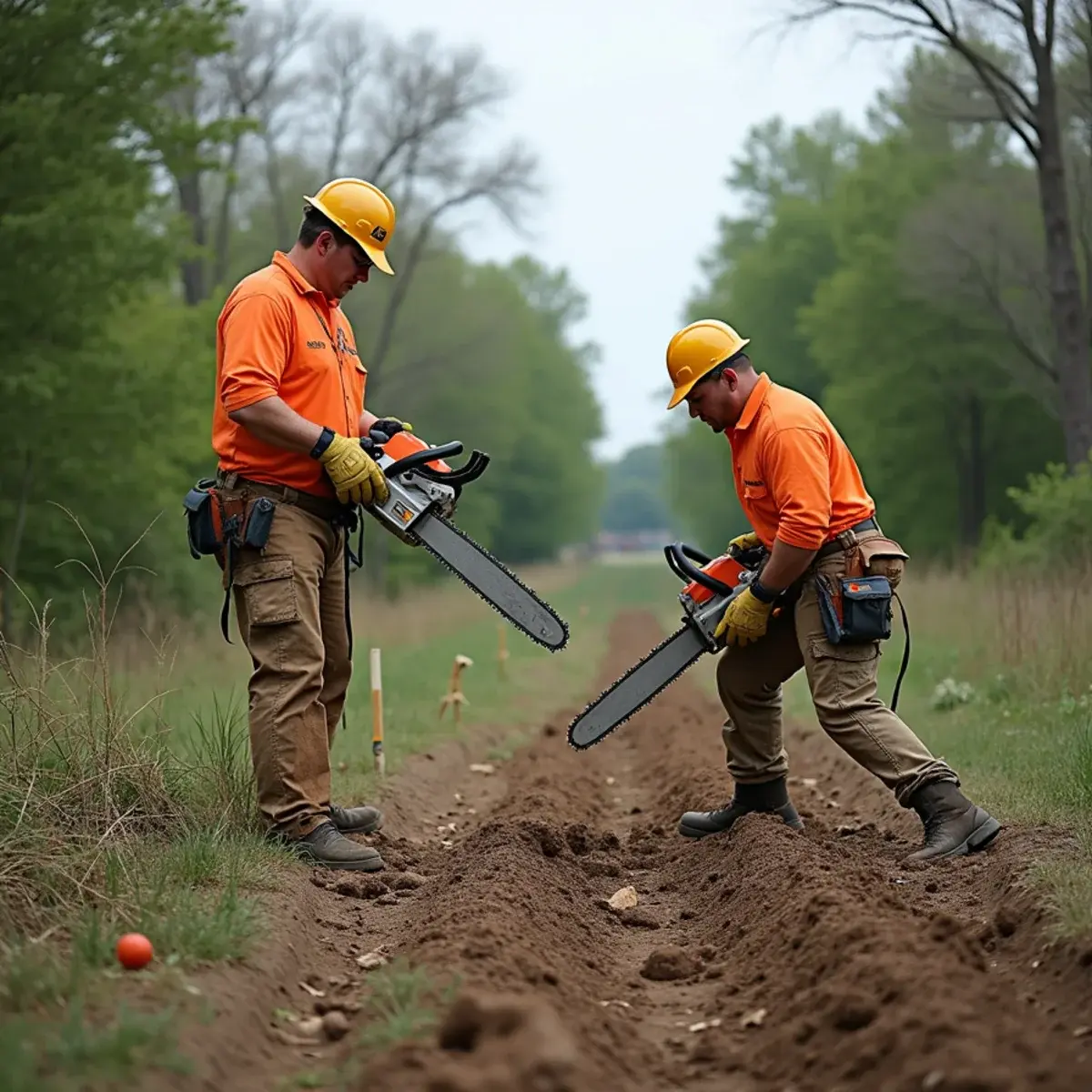
Clearing is priced by area, density and what you want done with the stumps.
Size of the area
A hundred-foot fence line is an afternoon. A half-acre of dense buckthorn is a multi-day job with several truckloads.
How thick it is
Scattered saplings in grass versus a wall of ten-foot honeysuckle you cannot walk through are completely different numbers.
Diameter of the woody material
Anything above chipper capacity has to be bucked, loaded and hauled as logs, which is slower and heavier.
Stump treatment
Cut flush is cheapest. Ground out is more. Fully excavated for a slab is the most.
Equipment access
If we can get a truck and chipper onto the parcel the work moves quickly. If everything is carried out to the street, it does not.
Disposal volume
Tipping fees and truck time scale directly with material. It is the biggest cost on a big clearing job.
For larger parcels we will walk it with you and give you options — full clear, selective clear, or phased over two seasons to spread the cost.