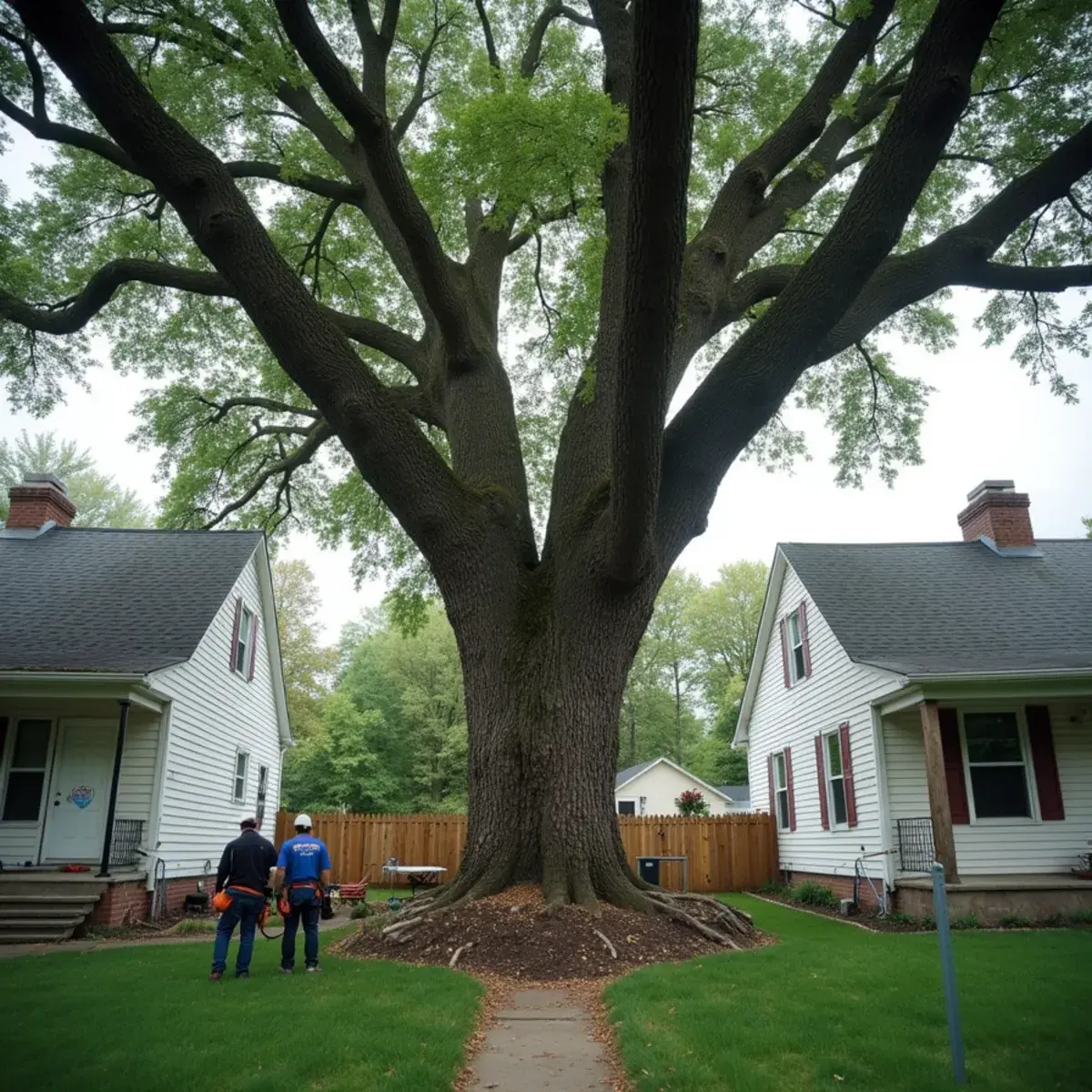
Commercial tree work is a different job from residential, and not because the trees are different. It is because the constraints are: tenants who need parking, customers who need the entrance open, a board that needs documentation, and a carrier that will ask hard questions if a limb comes through a windshield.
We work with property managers, HOA boards, apartment ownership groups, retail centers, churches, schools and industrial sites across southeast Michigan. That means certificates of insurance naming your entity, scheduled work windows that keep the lot usable, and written documentation of what was done and what we recommend next.
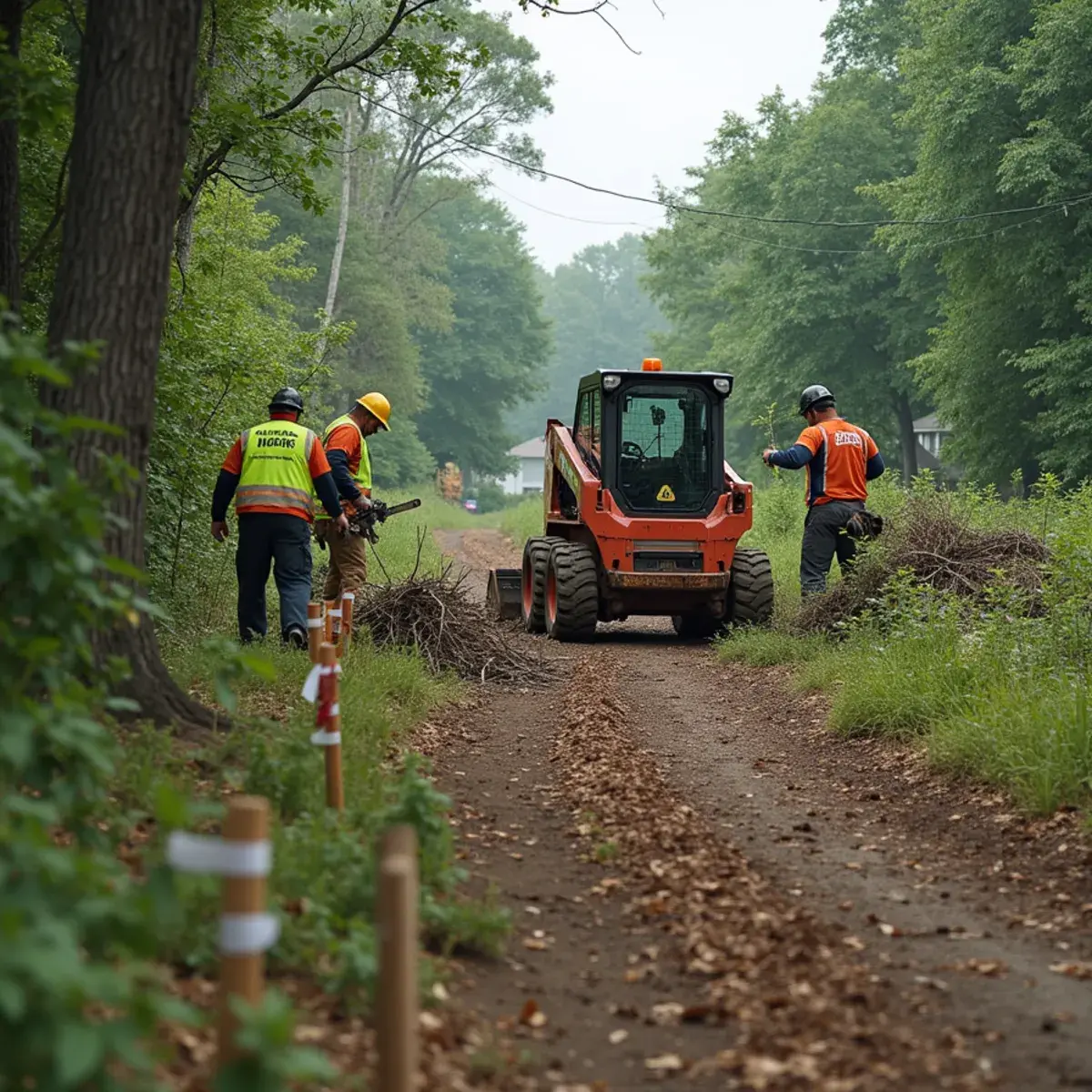
We also take on the commercial jobs nobody wants: the dead ash along the back property line, the row of overgrown trees the last contractor topped, the parcel that has to be cleared before spring construction.
What commercial properties call us for
Different from a residential yard in scale, liability and scheduling.
Liability trees
Dead, split or leaning trees over parking, walkways and play areas. This is the number-one call, and it is the one that keeps risk managers awake.
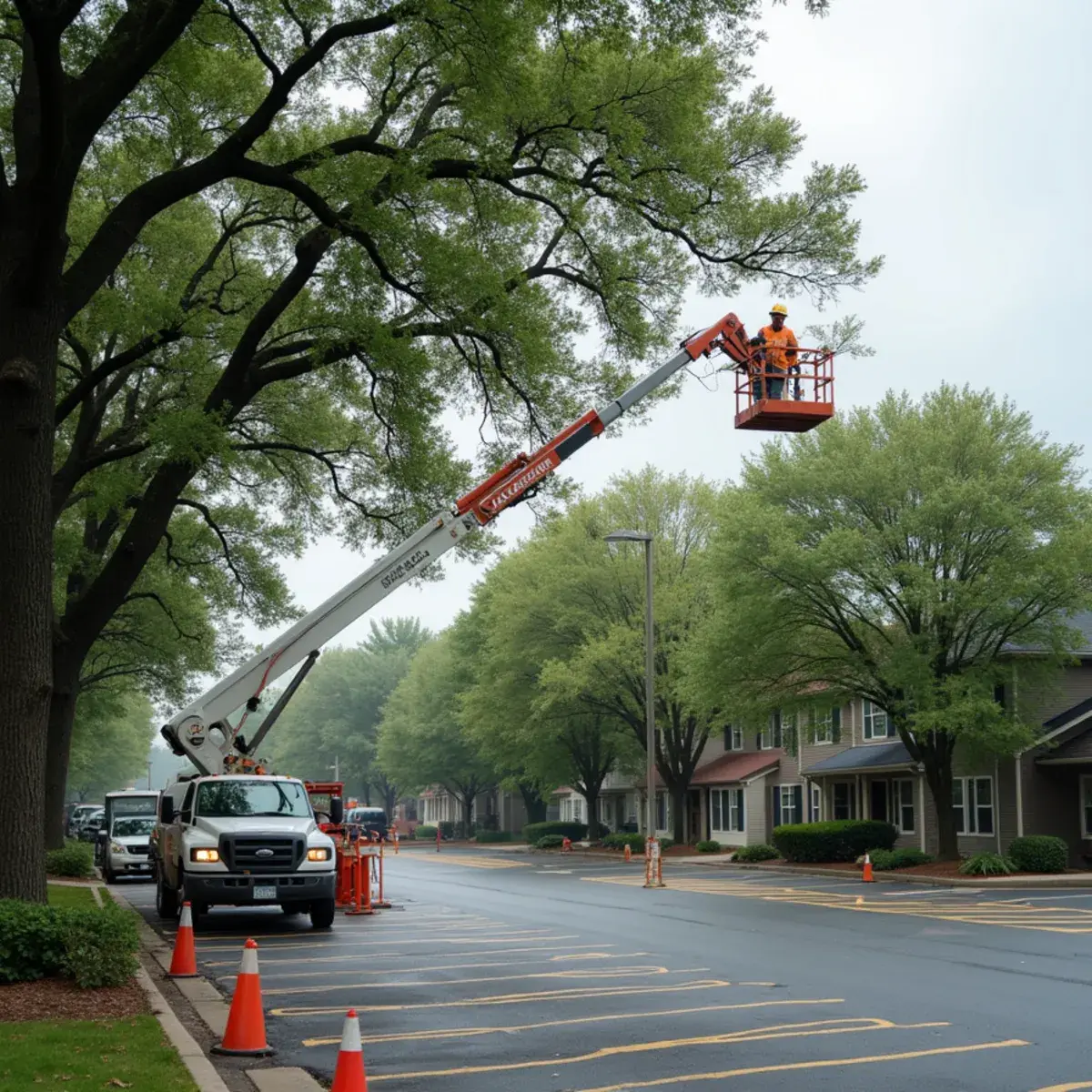
Parking lot canopy management
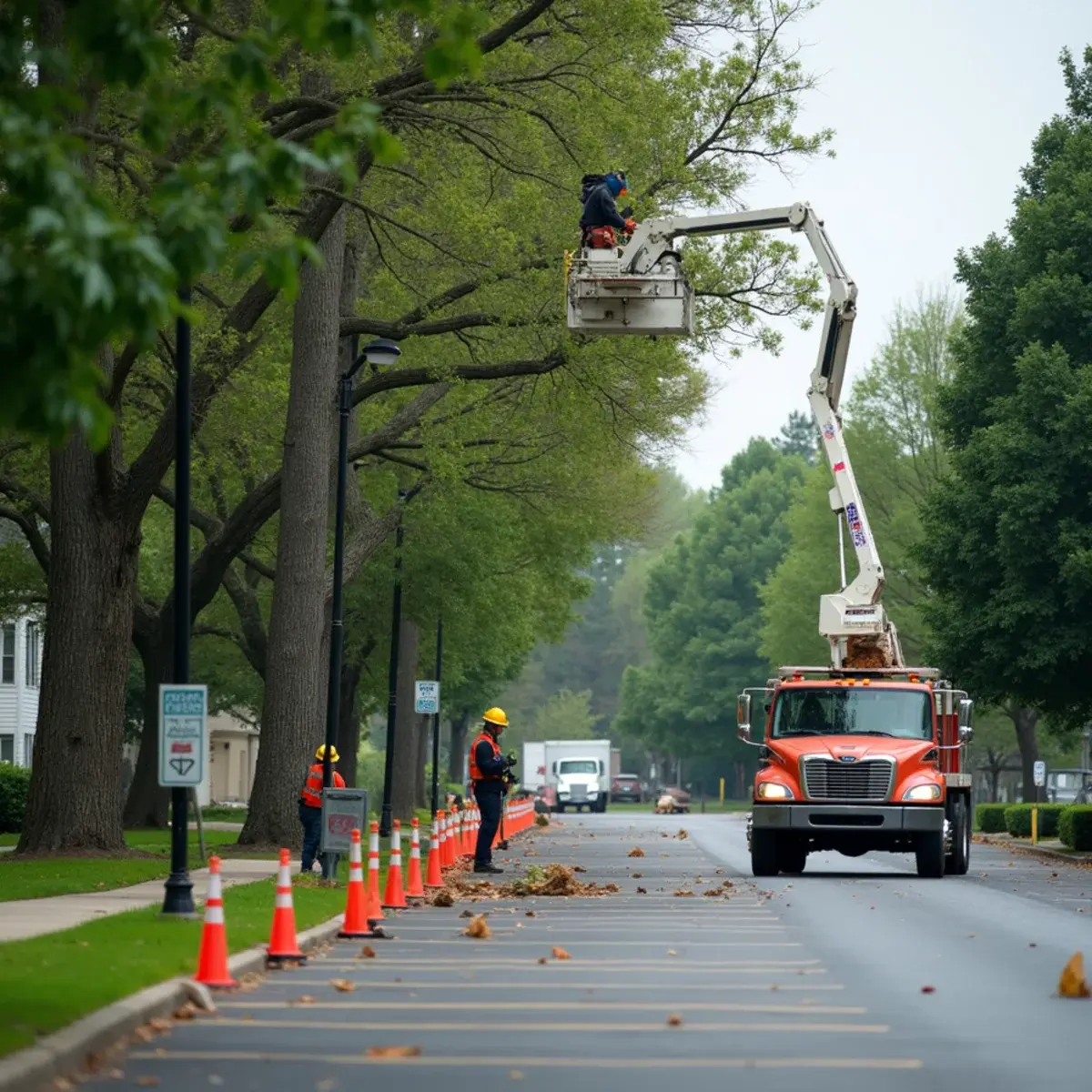
Clearance over drive lanes and truck routes, deadwood out of islands, and pruning to keep lighting and signage visible.
Sightline and security pruning
Raising canopies and cutting back shrubs so cameras, lighting and lines of sight actually work.
Storm response for portfolios
One call that covers multiple addresses after a wind event, prioritized by which sites are blocked.
Scheduled seasonal maintenance
Annual or biannual pruning cycles so trees never reach the point of being an emergency in the first place.
Site preparation
Clearing for expansions, additional parking, new pads or utility runs.
How we handle it, start to finish
- 1
Site walk and written inventory
We walk the property with you, note every tree that needs attention, and give you a prioritized list — immediate hazards, this-year work, and monitor items — so a board or owner can budget against it.
- 2
Documentation up front
Certificate of insurance naming your entity, a written scope, and a schedule. Property managers need paperwork before the crew arrives, not after.
- 3
Schedule around your operations
Early mornings, weekends or phased sections so the lot stays usable. Retail before opening, offices on Saturday, apartments in daylight with notice to residents.
- 4
Controlled work zones
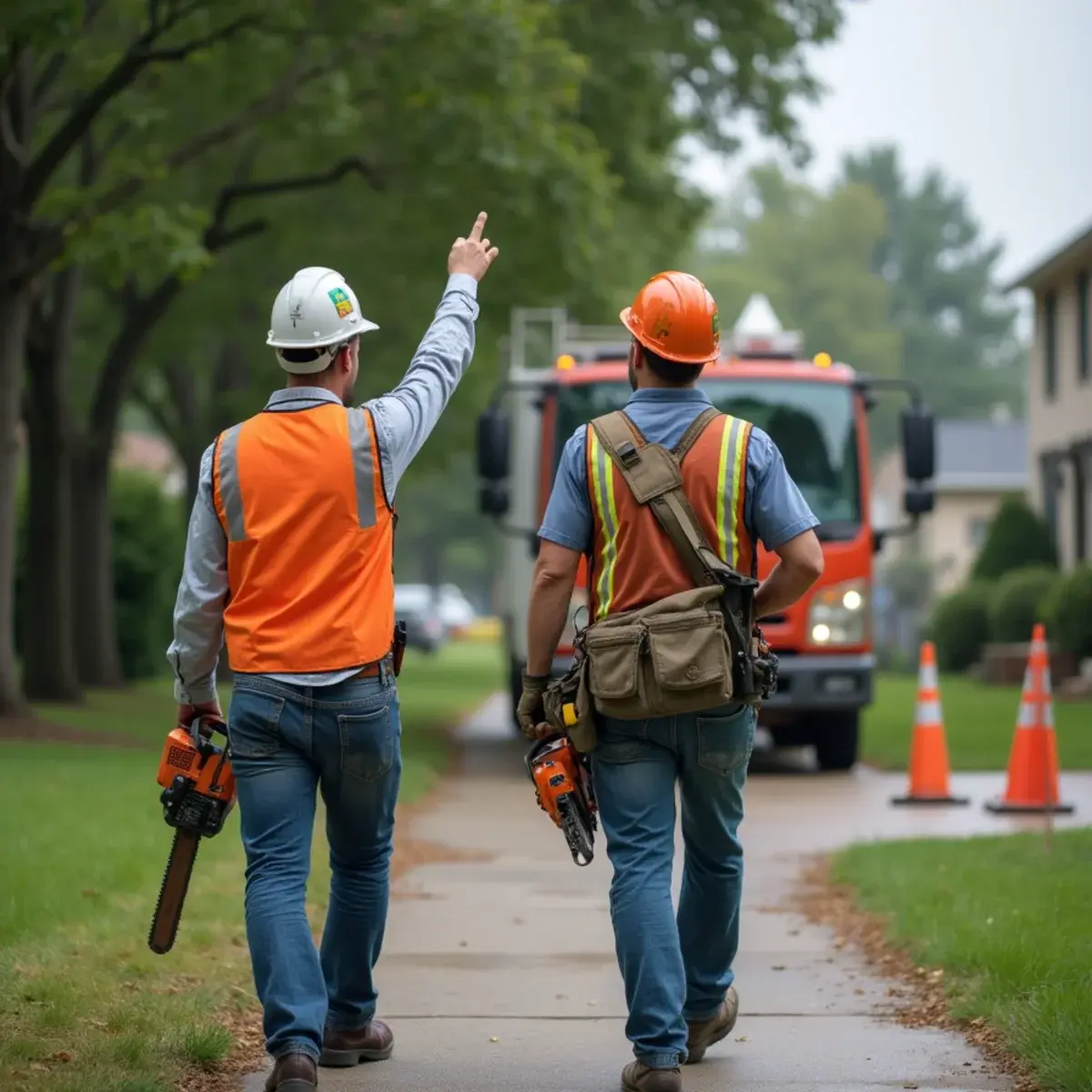
Cones, tape, signage and spotters. On an active commercial site the public will walk toward the work if you let them, so we do not.
- 5
Clean, invoice and report
Full cleanup, an itemized invoice that matches the approved scope, and a short written note on what we saw for next cycle.
Liability, and why documented tree inspections matter
If a limb falls on a tenant's car or a customer in your lot, the question that follows is whether you knew or should have known the tree was a hazard. A documented inspection history is the difference between a defensible position and a bad one.
That is why our commercial reports are written down: what we inspected, what condition it was in, what we recommended, and what was actually performed. It is a small amount of paperwork that becomes very valuable exactly once — and it also happens to make budgeting straightforward.
Property types we work with
- Apartment complexes and multifamily portfolios — hazard trees over parking and units, plus resident-notice scheduling.
- HOAs and condominium associations — common-area canopy management with reports the board can act on.
- Retail centers and restaurants — parking lot trees, sightline and signage clearance, work before opening hours.
- Industrial and warehouse sites — truck route clearance, fence lines and back-lot brush control.
- Churches, schools and municipal grounds — hazard reduction around play areas, walkways and parking.
- Realtors and property investors — clearing and cleanup to get a listing photograph-ready and appraise properly.
What to expect, from estimate to cleanup
Paperwork before the crew, not after
Certificate of insurance naming your exact entity with any additional-insured requirements, a written scope, and a schedule. Property managers should not have to chase a tree contractor for documents, and with us you will not.
Work windows built around your operations
Retail before opening, offices on a Saturday, apartments in daylight with notice to residents. Phased sections so the lot stays usable. Out-of-hours costs somewhat more and it keeps your tenants and customers where they are.
A prioritised report your board can act on
Immediate hazards, this-year work, and monitor items — in plain English, so a board can vote on it without needing an arborist to interpret it. That also gives you the documented inspection history that matters if a limb ever does come down.
What this costs — and what changes the price
Commercial work is quoted per scope and, on ongoing accounts, per cycle. Bigger scopes and repeat relationships price better than one-off calls.
Number of trees and total scope
Volume works in your favor. Doing an entire property at once is far more efficient than three separate mobilizations.
Access and traffic control
Working around live parking and pedestrian traffic slows everything down and sometimes requires lane closures.
When we can work
Normal business hours are cheapest. Overnight or early-morning windows to avoid disrupting tenants cost more.
Equipment required
Bucket, crane or aerial lift depending on the trees and the setup room available.
Ongoing versus one-time
Annual maintenance agreements price better per visit and keep small problems from becoming emergency callouts.
For multi-site portfolios we will price the whole group. If you manage several properties Downriver or across Metro Detroit, that is the conversation to have.