The Best Trees to Plant in Michigan (And Four to Stop Planting)
Half the trees we remove were planted by someone who chose fast growth over everything else. Here is how not to repeat that.
What this guide covers5 sections
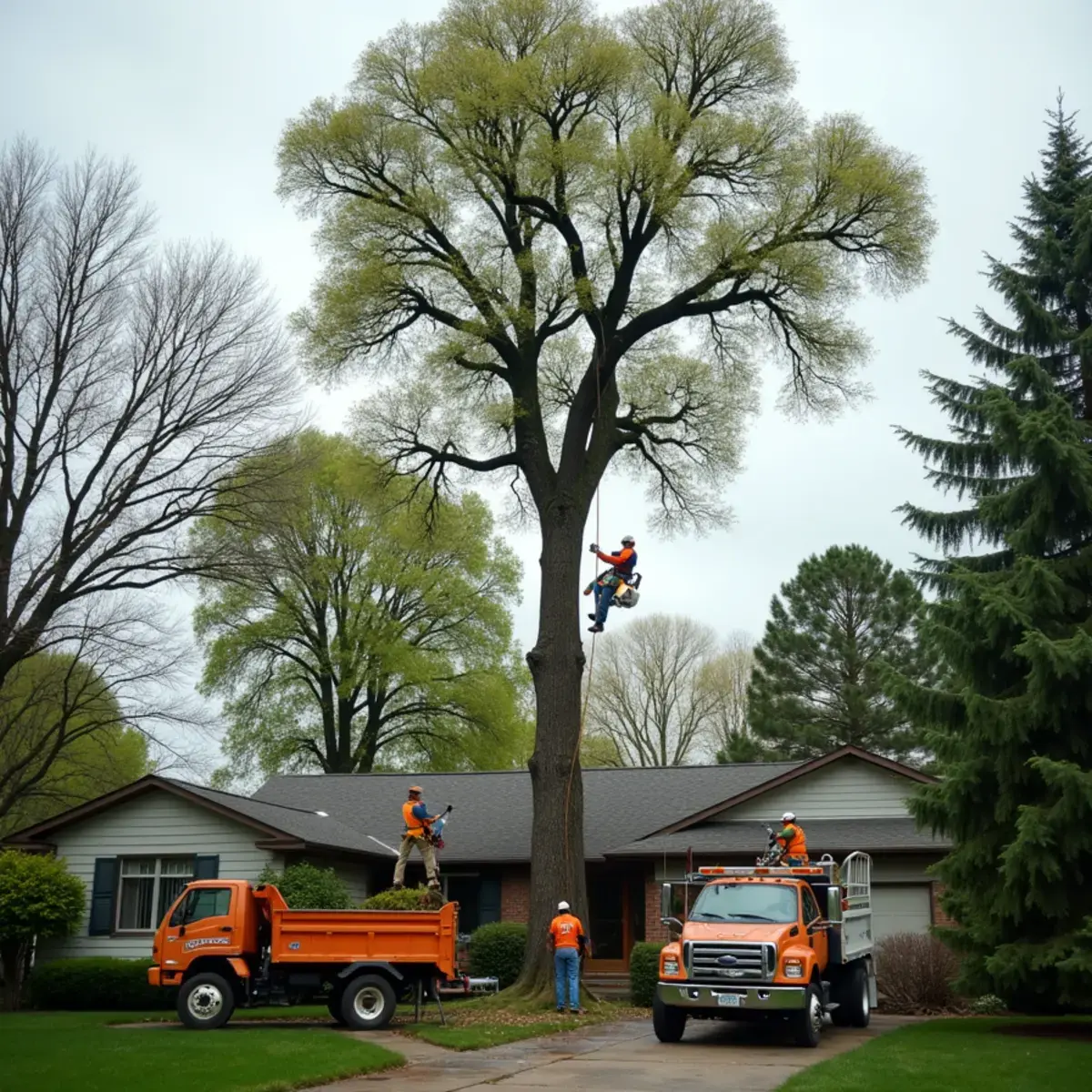
Almost every removal we do was a planting decision made forty to seventy years ago. Somebody wanted shade fast, put a silver maple fifteen feet from the house, and it worked beautifully for thirty years before becoming somebody else's expensive problem.
Southeast Michigan is a demanding site: heavy alkaline clay, road salt, compacted urban soil, hard winters and hot humid summers. These are the species that handle it.
Large shade trees worth planting
Swamp white oak
Probably the single best large shade tree for this region. It tolerates the heavy clay and wet conditions that kill other oaks, handles urban compaction, resists oak wilt far better than red oaks, and lives for centuries. It grows faster than most oaks — noticeably faster than white oak — and is genuinely underused.
Hackberry
Unglamorous and extremely tough. Handles clay, drought, salt, wind and urban abuse without complaint. It was one of the most recommended replacements after the ash die-off for good reason. Nipple gall on the leaves is cosmetic and harms nothing.
Kentucky coffeetree
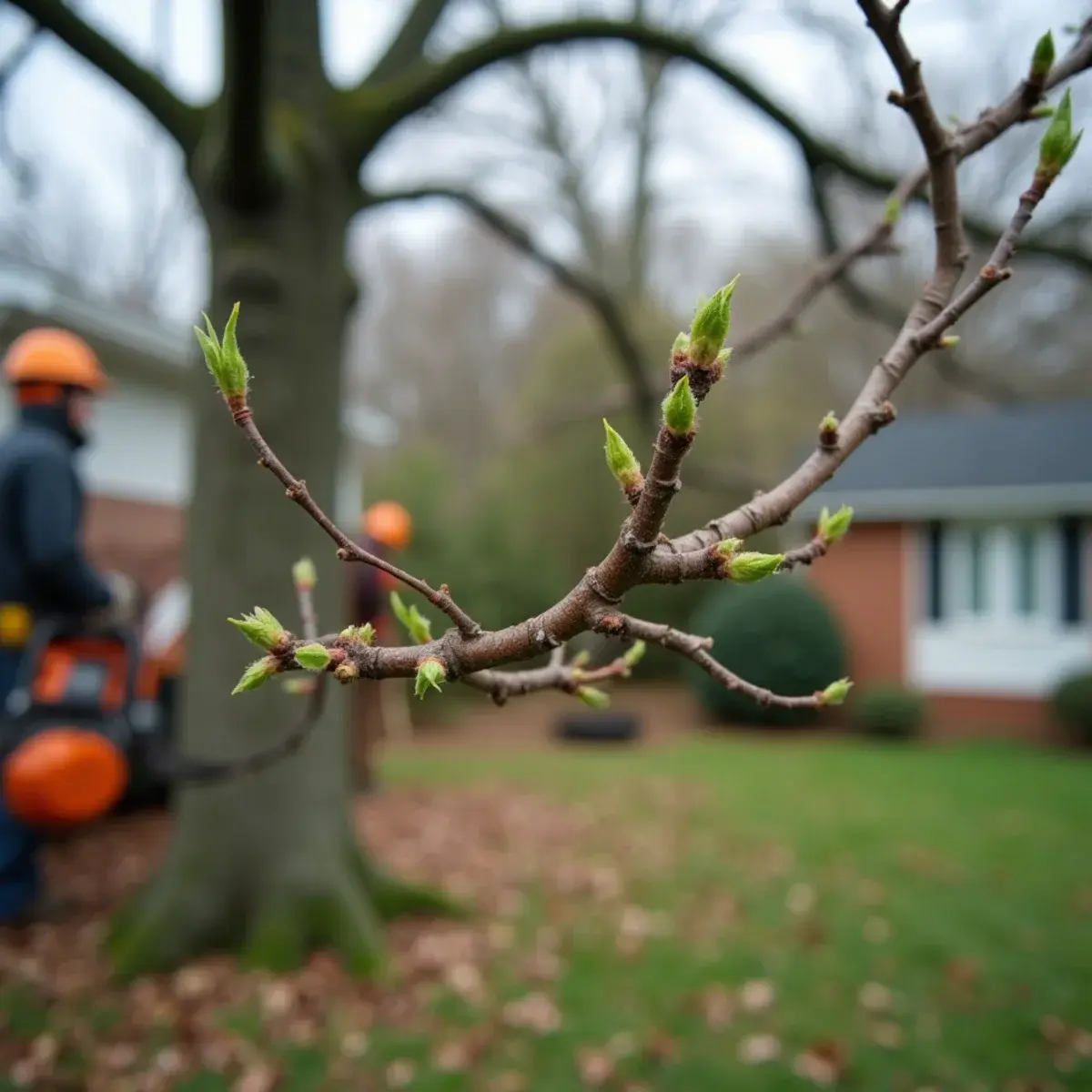
A striking, architectural tree with coarse branching and a beautiful winter silhouette. Extremely tolerant of clay, drought and salt. Plant a male cultivar to avoid the large seed pods. Slow to leaf out in spring — do not panic in May.
Tulip poplar
Fast growing, tall and straight, with genuinely beautiful flowers in June. Wants decent soil and room — this is a large tree, not a small-lot choice. Excellent for open properties in Northville and Farmington Hills.
Bur oak
The toughest oak there is. Handles clay, drought, alkaline soil and urban conditions, and lives for hundreds of years. White oak group, so it is far more oak wilt resistant. Slow, and worth the wait if you are planting for the long term.
Medium and small trees for tighter spots
- American hornbeam (musclewood) — small, tolerant of shade and wet soil, beautiful smooth sinewy bark. Ideal under power lines.
- Serviceberry — spring flowers, edible berries, excellent fall color. Tops out around 25 feet. One of the best small trees for this region.
- Eastern redbud — spectacular early spring bloom directly on the branches. Choose northern-sourced stock for winter hardiness.
- Hophornbeam — tough, slow, adaptable to poor soil and shade. Very underused.
- Blackgum (tupelo) — arguably the best fall color of any native tree. Wants acidic soil, so it is not for every site.
- Japanese tree lilac — small, tough, salt tolerant, with big creamy flower clusters in June. Excellent street tree.
Four to stop planting
Silver maple
It grows fast and that is the whole appeal. It also has weak wood that breaks in every storm, aggressive shallow roots that lift driveways and invade sewer laterals, and a strong tendency to hollow out by seventy. It is the single most common tree we remove in Southgate, Taylor and across Downriver, and it is always for the same reasons.
Bradford and other callery pears
Beautiful for fifteen years, then it splits down the middle. The narrow branch unions with included bark are a structural flaw the species cannot escape. It has also become genuinely invasive across the Midwest, escaping into fields and roadsides. Several states have moved to ban its sale.
Norway maple
Invasive, casts shade so dense that nothing grows beneath it, and develops girdling roots at a high rate — the classic sign being a trunk that enters the ground like a post with no visible flare. It was planted extensively as an elm replacement and it was a mistake.
Blue spruce
Not invasive, just poorly suited. Colorado blue spruce comes from a dry mountain climate and hates Michigan's humidity. Nearly every mature blue spruce in southeast Michigan is losing its lower branches to Rhizosphaera needle cast, and once that starts it does not reverse. If you want a conifer, plant a white pine, a Norway spruce or a concolor fir.
How to plant it so it lives
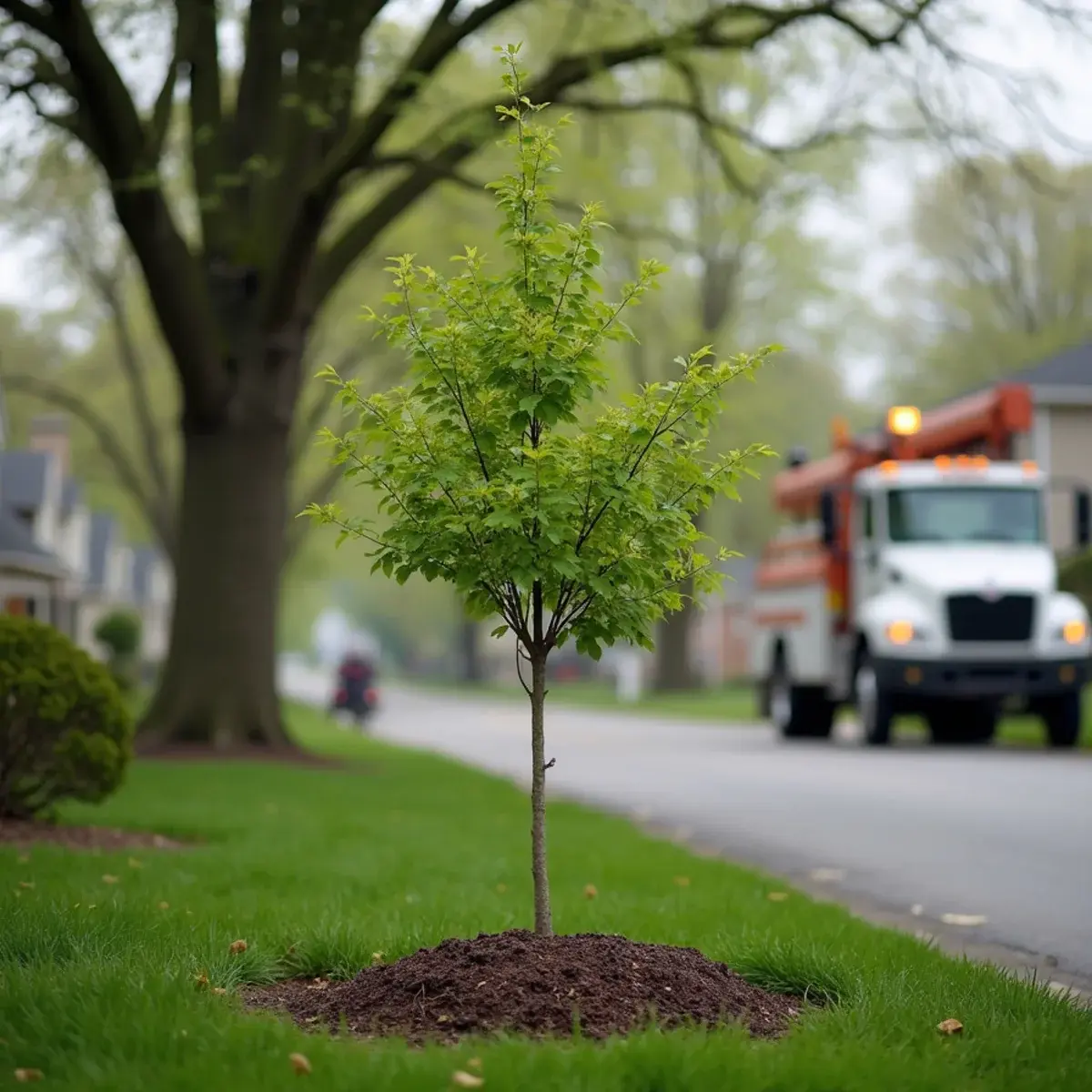
Species choice is half the job. The other half is planting technique, and the most common failure by a wide margin is planting too deep.
- 1Find the root flare. On container and balled stock it is frequently buried several inches down in the pot. Excavate until you find where the trunk widens into roots.
- 2Plant so that flare sits at or slightly above finished grade. This one thing prevents more slow deaths than everything else combined.
- 3Dig wide and shallow — two to three times the root ball width, no deeper than the ball. Roots spread out, not down.
- 4Tease apart circling roots on container stock, or cut them. Left alone they girdle the trunk twenty years later.
- 5Backfill with the native soil you dug out. Amending the hole creates a pot effect that discourages roots from leaving it.
- 6Mulch two to three inches deep in a wide ring, pulled back several inches from the trunk. Never volcano mulch.
- 7Water deeply once a week through the first two growing seasons. Deep and infrequent, not shallow and daily.
- 8Skip staking unless the site is genuinely windy. Trunk movement builds trunk strength.
Where to put it
Look up before you dig. Under power lines, nothing that matures above about 25 feet. Large shade trees want at least 20 feet from the foundation, more for anything that gets truly big. Keep trees back from septic fields and known sewer laterals. And think about the mature canopy spread, not the four-foot stick you are holding.
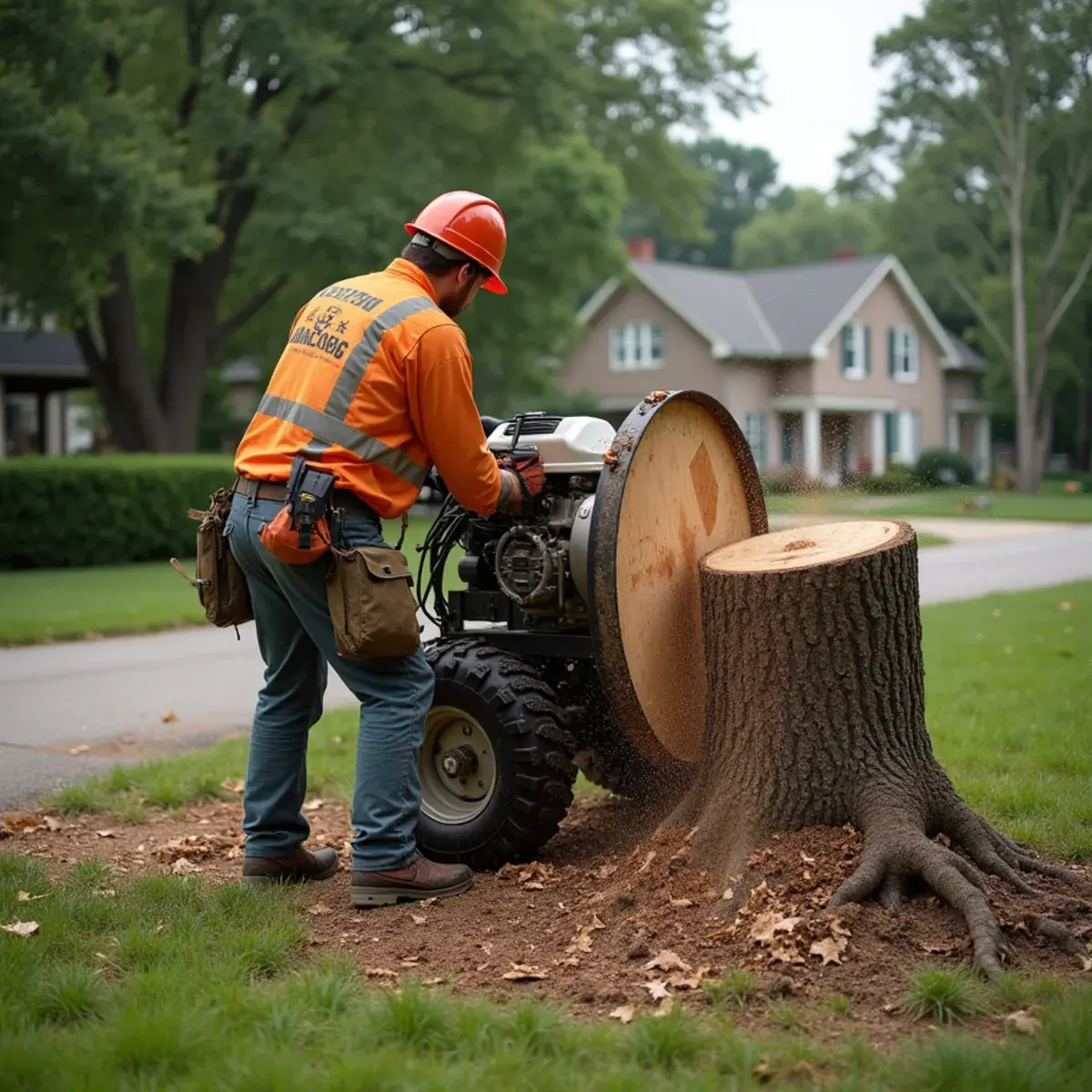
If you are replacing a tree we removed, ask us at the job — we will tell you what would actually work in that spot. See our stump grinding page for what needs to happen to the old stump before you plant.