Spring Tree Care in Michigan: What to Check When the Snow Goes
Spring is when winter shows you what it did. Twenty minutes of looking in April prevents most of the emergency calls in July.
What this guide covers6 sections
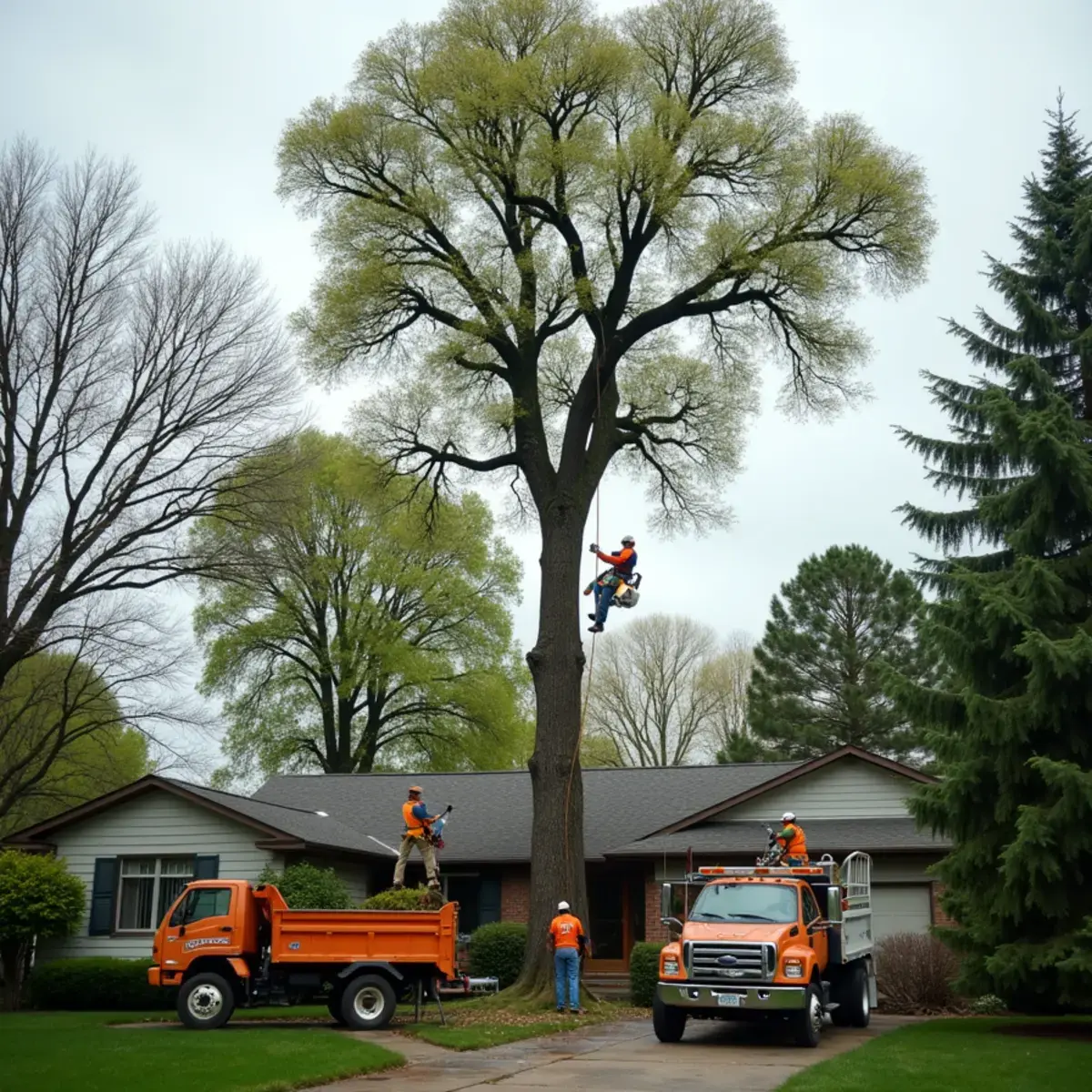
Everything winter did to your trees becomes visible in about a three-week window in spring. Look then, and you deal with problems on your schedule. Miss it, and you find out in July when a limb comes down.
Walk the property before bud break
Late March into early April, while the structure is still visible, is the ideal moment. Give each significant tree a couple of minutes.
Start at the base
- Chewed bark at ground level — voles and rabbits work under snow cover. A complete ring of damage around the trunk girdles the tree and is usually fatal. Partial damage may heal.
- Heaved, cracked or mounded soil on any side. That means root plate movement over the winter.
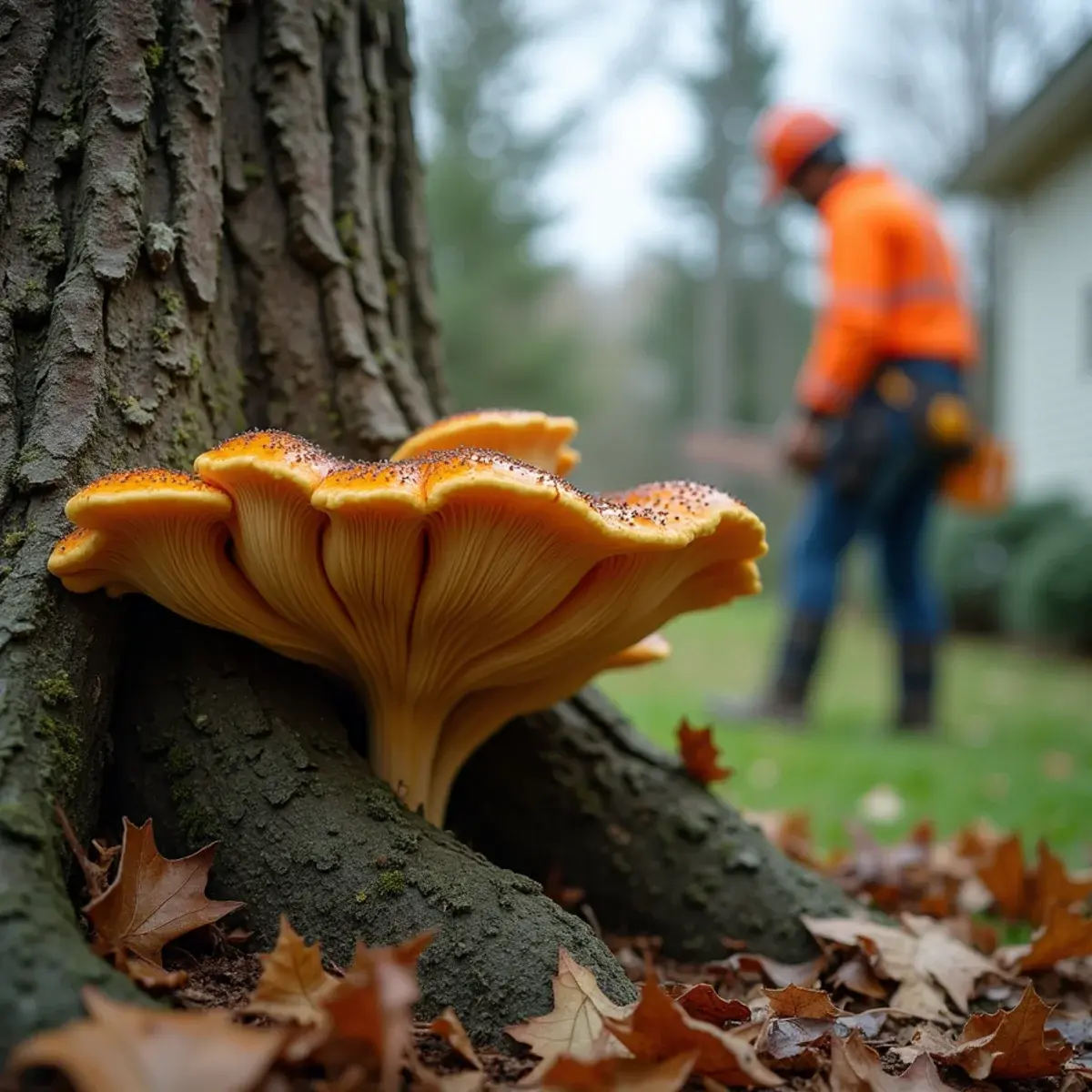
- Mushrooms or shelf fungi at the flare. Decay indicator, and it warrants a professional look.
- Mulch piled against the trunk. If last year's mulch has volcanoed up against the bark, pull it back now.
Then the trunk
- Long vertical cracks or dead strips on the south and southwest faces — that is sunscald from winter sun on young thin-barked trees.
- Fresh vertical seams anywhere on the trunk.
- Tree wrap or guards still in place. Take them off now; leaving them on through the growing season causes moisture and pest problems.
- Anything that changed since last spring.
Then the canopy
- Broken limbs still hanging in the canopy from winter storms. These are hangers and they will come down.
- Limbs cracked but still attached. They need a proper collar cut, not to be left to tear.
- Split unions where two stems separated under snow or ice load.
- Brown, dead foliage on the road-facing side of evergreens — salt burn.
Assessing salt damage
Browning on the road side of arborvitae, spruce, boxwood and yew is one of the most common spring findings in Michigan, and it is worst along salted drives and main roads. Whether the plant recovers depends on how deep the damage goes.
Wait until mid-May before deciding anything. Plants that look dead in April frequently push new growth once things warm up. In the meantime, flush the root zone with water to leach salt out of the soil. If a plant is still brown and bare by late May, that section is gone — and on species like arborvitae and juniper that do not regrow from bare wood, it will not come back.
Watch what leafs out and what does not
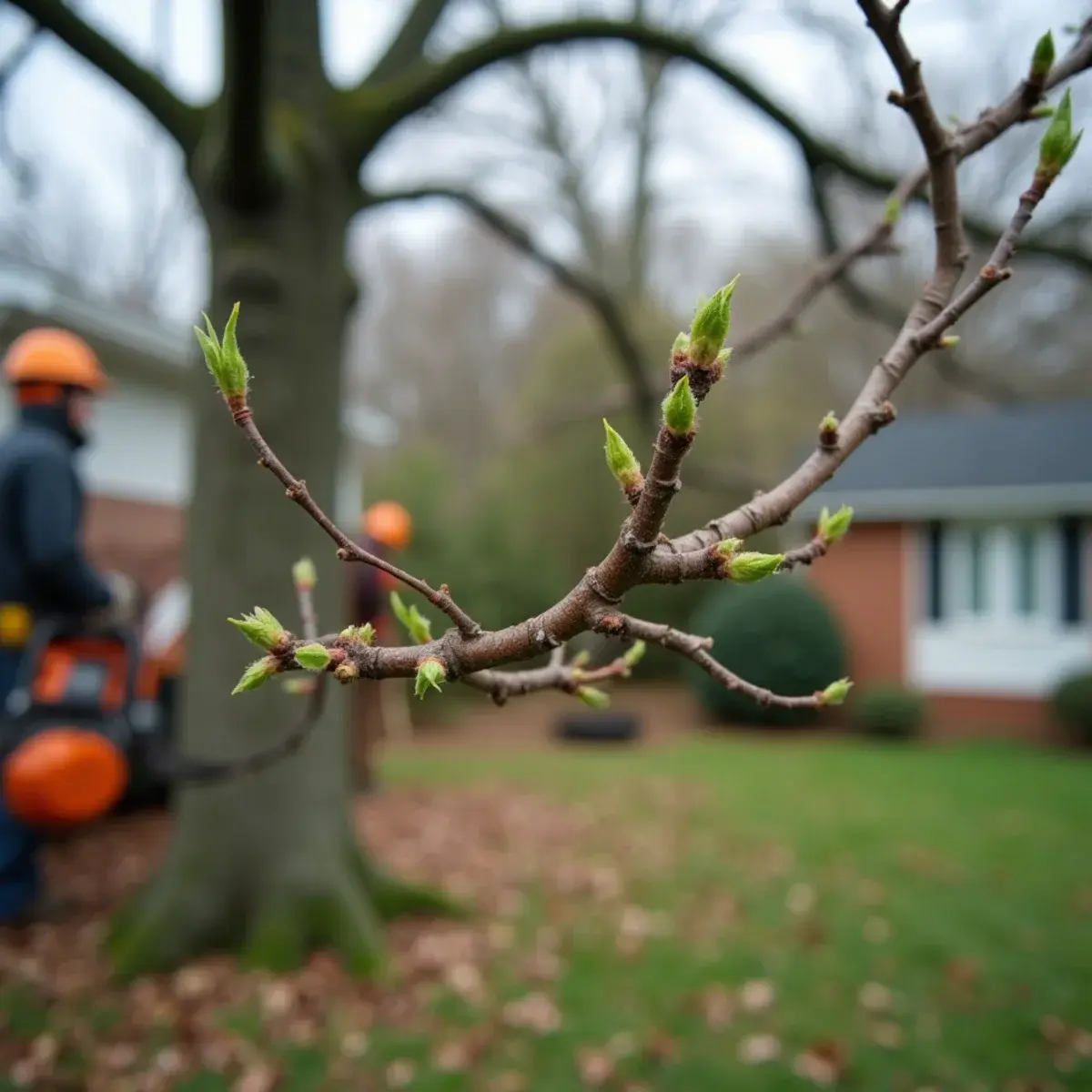
Michigan trees generally leaf out between late April and mid-May, with species variation. Kentucky coffeetree, black walnut and honey locust are all genuinely late — do not write them off in early May.
What matters is the pattern. A tree that leafs out only on the lower half, or only on one side, is telling you something. So is a tree that leafs out weakly, with small pale leaves, compared to last year or compared to the same species down the street.
Timing spring work
- Oaks: the dormant pruning window closes around mid-March. After that, wait until November. Our oak wilt guide explains why this is not negotiable.
- Dead and hazardous limbs: remove any time, including now.
- Spring-flowering shrubs like lilac and forsythia: prune within a few weeks after they finish blooming, not before.
- Summer-flowering shrubs: early spring before growth starts is fine.
- Most deciduous trees: the ideal window has passed, but light work is acceptable. Save major structural pruning for next dormant season.
Watering new plantings
Anything planted in the last two years needs deep watering through the first two growing seasons — a slow soak once a week rather than a daily sprinkle. Shallow frequent watering trains roots to stay at the surface, which is exactly the opposite of what you want in a Michigan summer.
Michigan springs are usually wet enough that this matters more from June onward, but establish the habit early.
Book the work you found
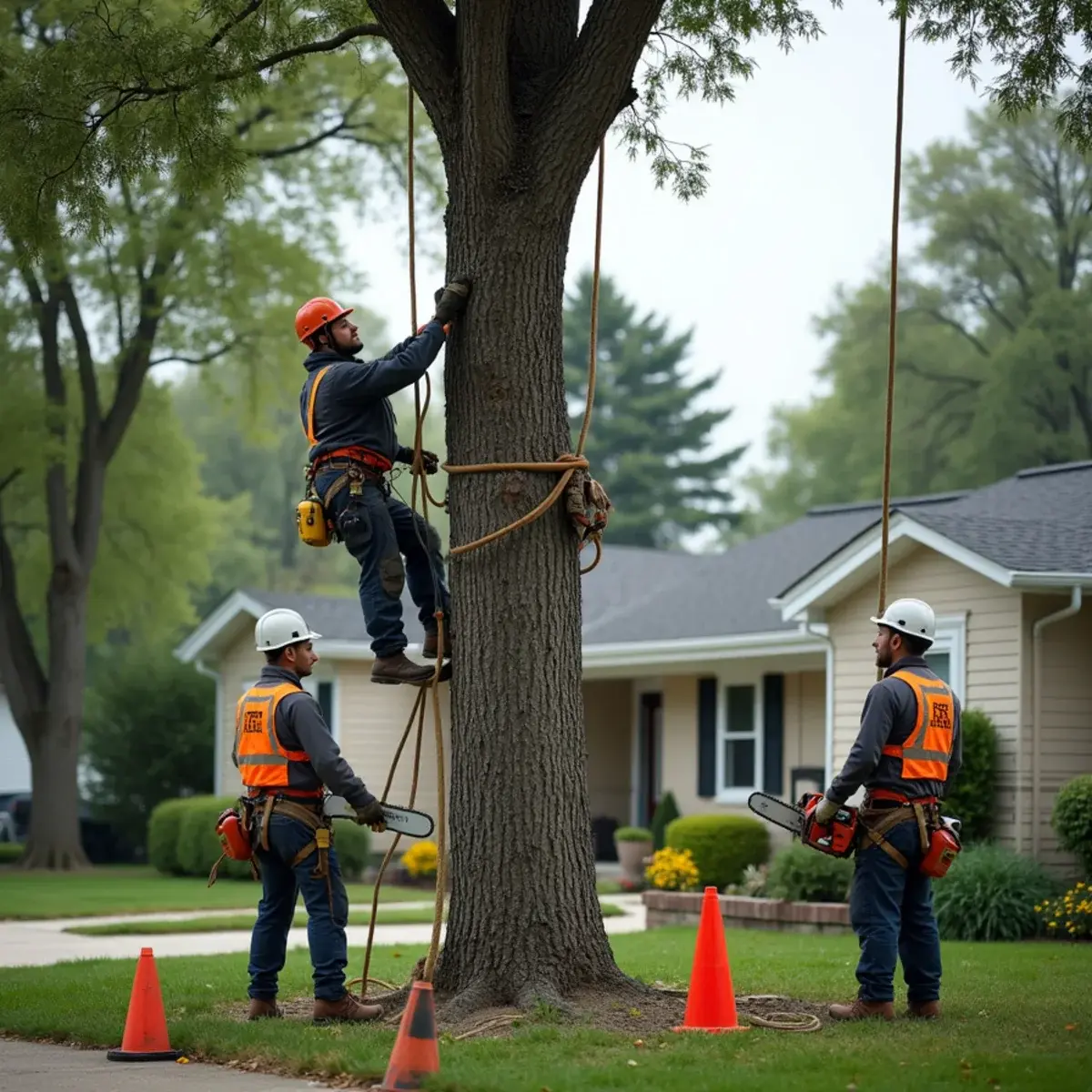
Spring is when tree companies fill up. If your walkaround turned up hangers, split limbs, dead trees or a salt-killed hedge row, get on the schedule before the first summer storm rearranges everyone's calendar.
Our assessments are free and we will tell you honestly what needs doing now versus what can wait for winter. For anything storm-related left over from the season, our storm damage cleanup crew handles the whole property, not just the obvious tree.