How to Choose a Tree Service Company (10 Questions to Ask First)
The tree service industry has a low barrier to entry and a high potential for expensive mistakes. These ten questions filter out most of the risk.
What this guide covers12 sections
Anyone can buy a chainsaw and print a business card. That is the entire problem with this industry, and it is why the gap between the best and worst tree companies working the same street is so wide.
These are the questions worth asking before anyone runs an engine on your property.
1. Can I see your certificate of insurance?
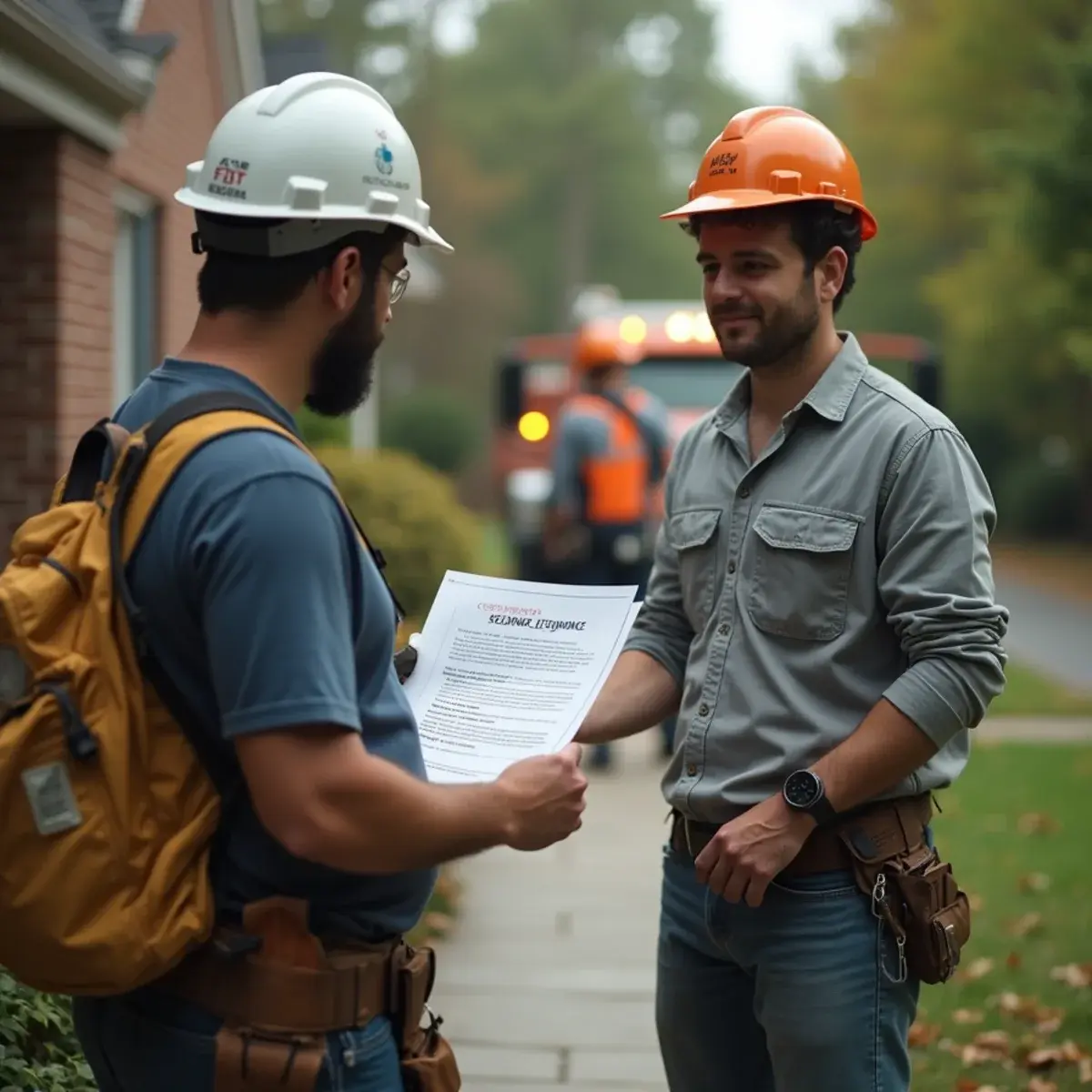
This is the non-negotiable one. You want general liability and workers' compensation, and you want to see the actual certificate — not a verbal assurance, not a card. A real company hands it over without hesitation.
The reason is stark: if an uninsured worker is seriously injured in your yard, that exposure can land on you. If uninsured workers damage your neighbor's garage, same thing. One of our customers specifically noted that we gave him a copy of our insurance before starting the job. That is how it should go every time.
2. Will you put the scope in writing?
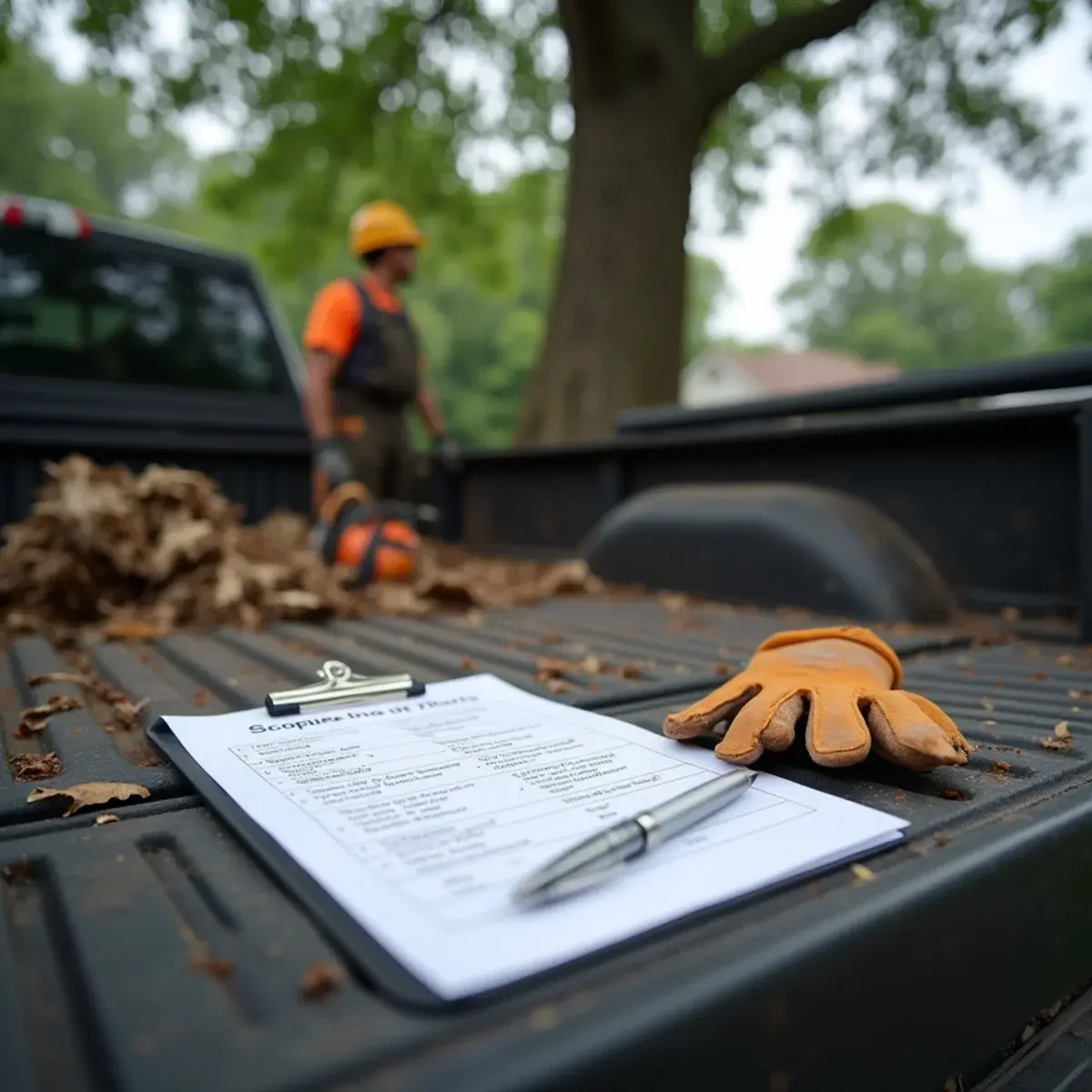
A written scope prevents the two most common disputes in this business. Does the price include hauling the wood, or just the branches? Is stump grinding in there? Who rakes? A verbal quote and a handshake is how you end up arguing about a wood pile at the end of the day.
3. What happens to the wood and the brush?
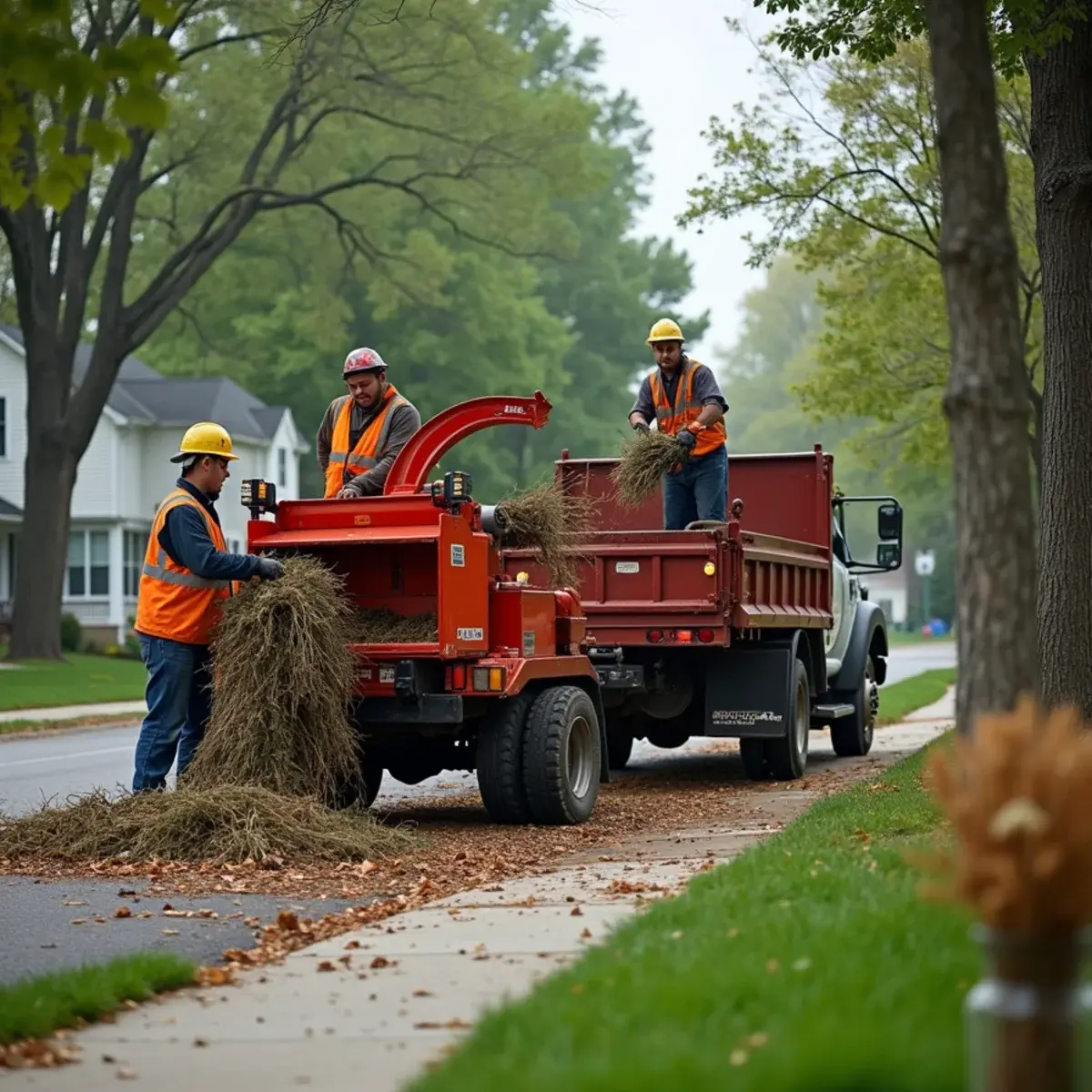
Ask specifically. "We'll clean up" means different things to different companies. Some haul everything. Some chip the brush and leave the logs. Some leave a pile at the curb and let you deal with the city. Get it stated.
4. Do you top trees?
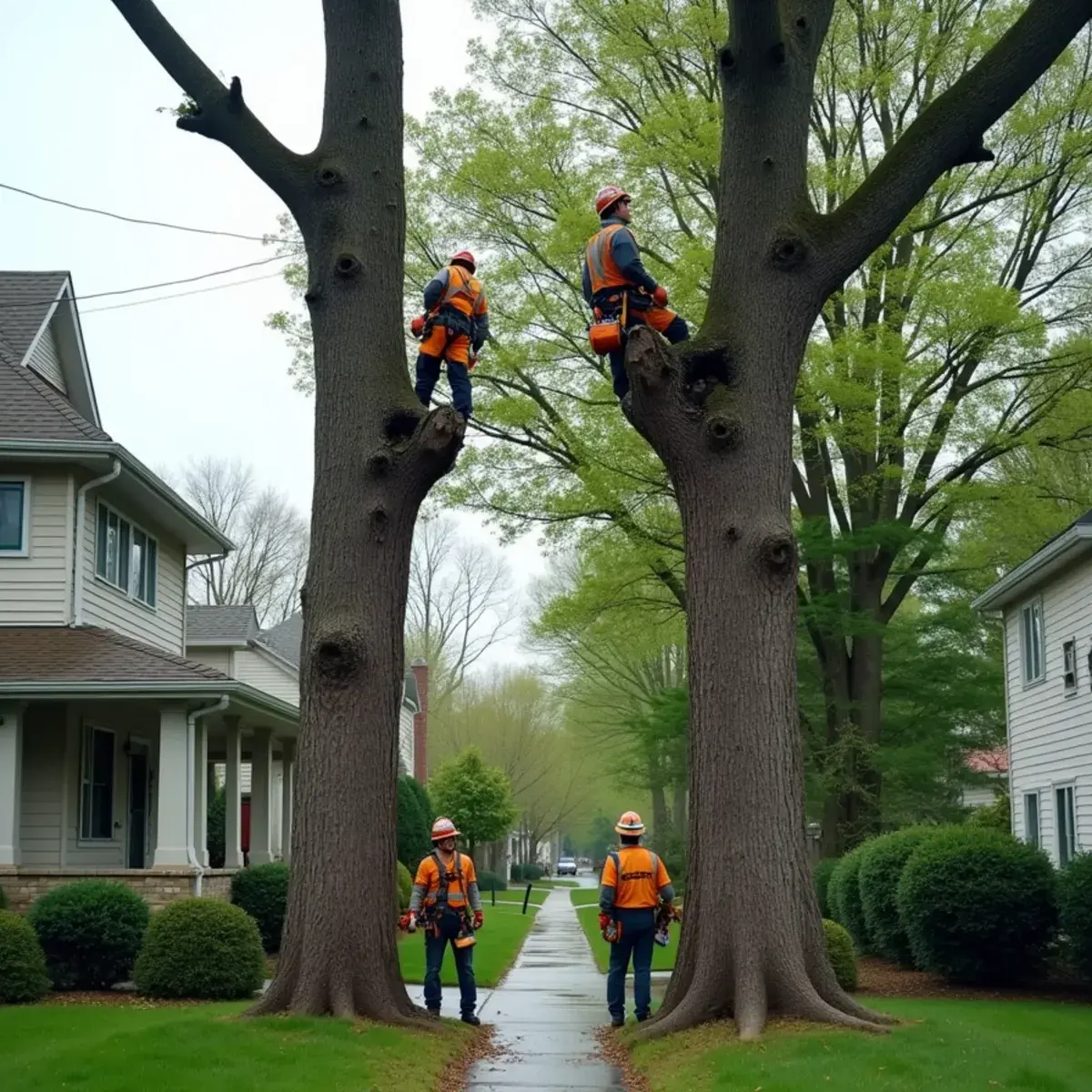
If the answer is yes, walk away. Topping — cutting mature limbs back to stubs — causes decay at every cut, forces weak regrowth, and produces a more dangerous tree within a decade. Any company that offers it either does not know better or does not care.
The correct technique when height genuinely needs to come down is crown reduction back to suitable lateral branches. A company that draws that distinction unprompted is telling you something good about themselves.
5. When would you prune my oak?
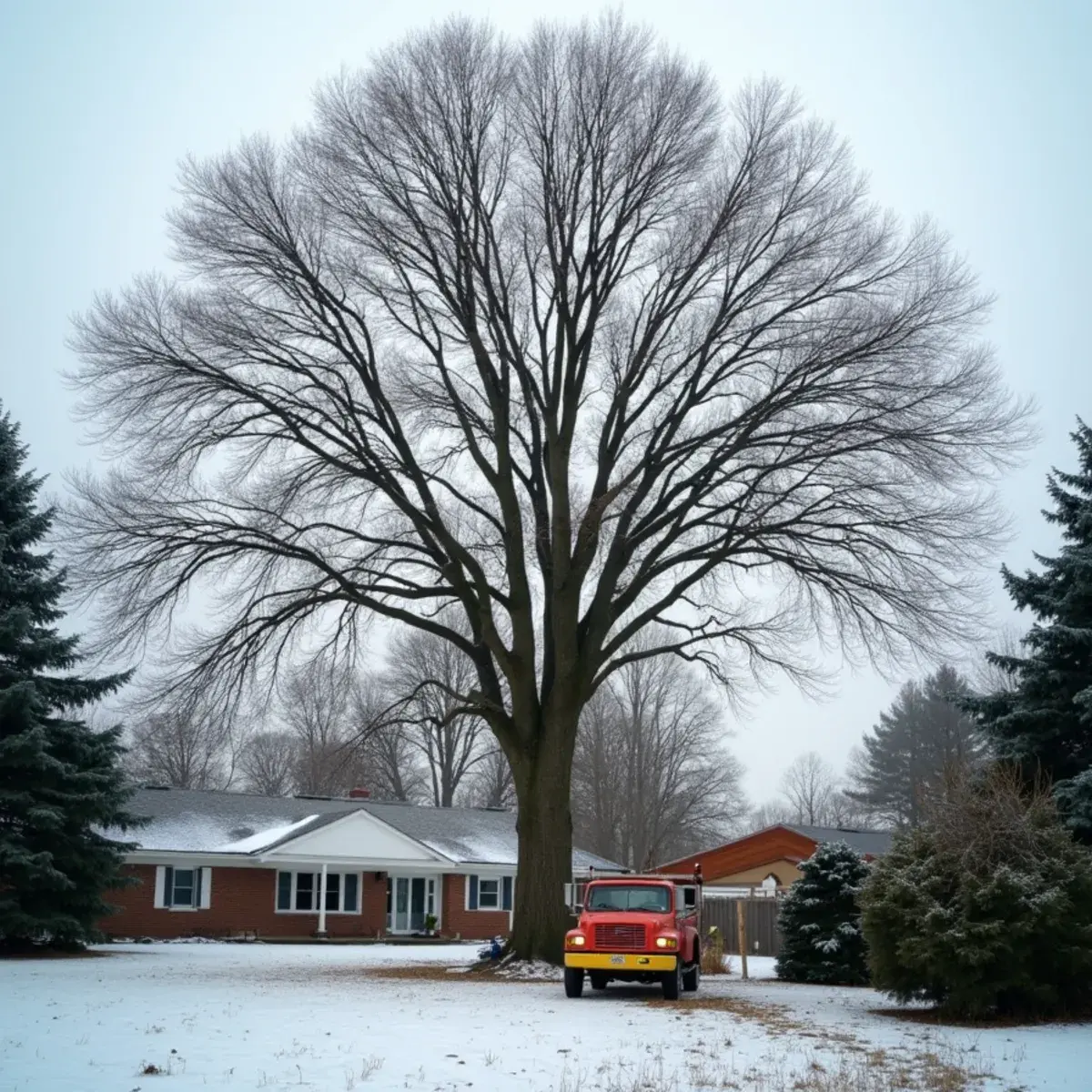
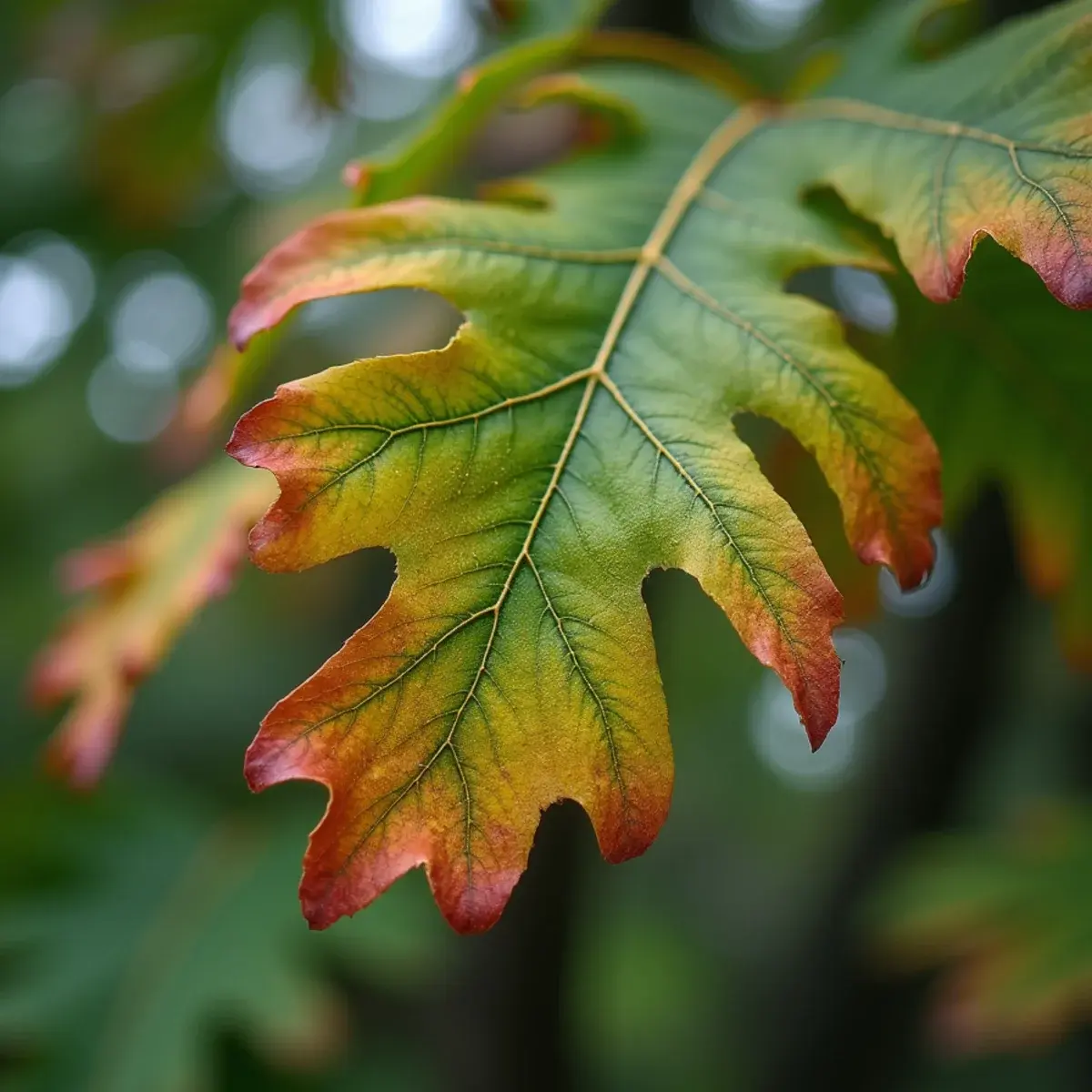
This is a great trap question in Michigan and it works every time. The right answer is November through mid-March, because of oak wilt. A company willing to prune your oak in June either does not know about oak wilt or does not care that pruning in that window can kill the tree. Either way, that is disqualifying. More background in our oak wilt guide.
6. How will you protect my lawn and landscaping?
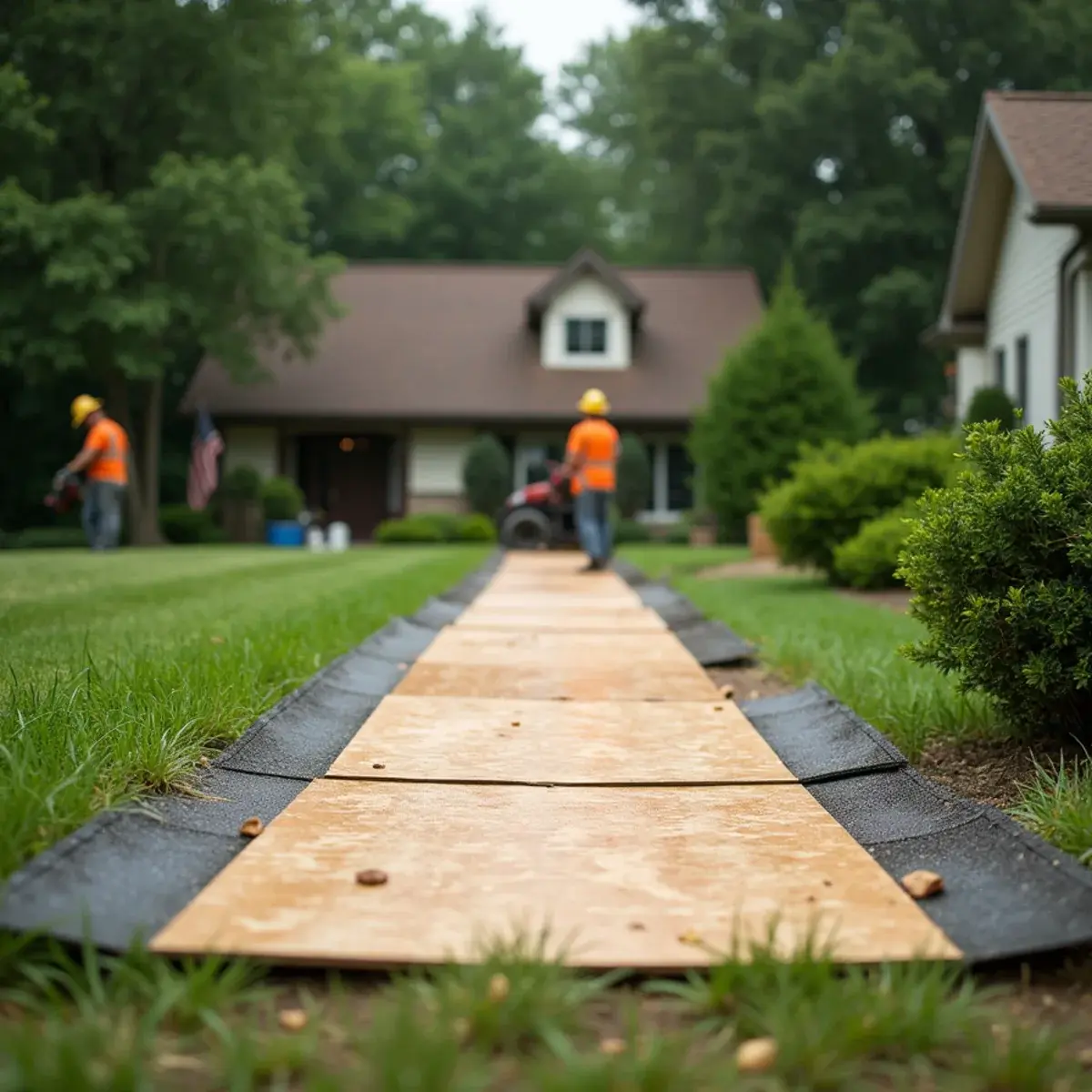
A good answer involves plywood or mats where equipment travels, a planned drop zone, and awareness of sprinkler heads, septic fields and soft ground. A vague answer means you will find out the hard way.
The best crews also notice things nobody told them about. One of our customers wrote about the crew putting a marker stick beside a sapling planted in memory of his mother — a tree he had never mentioned to anyone. That kind of attention is not in a quote and it tells you everything.
7. How soon can you start, honestly?
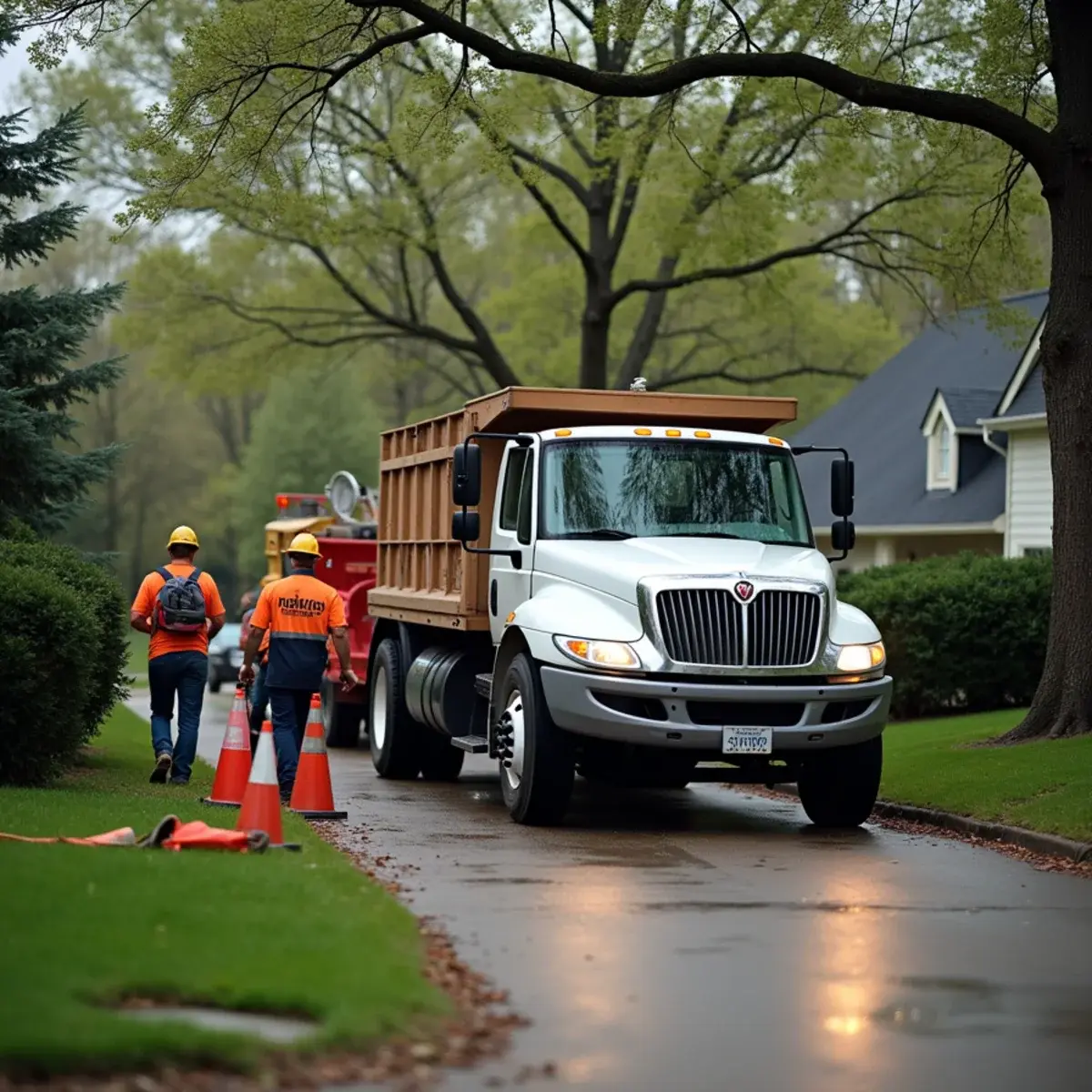
You want a straight answer rather than an optimistic one. After a widespread storm, every crew in the county is out and anyone promising you tomorrow is probably telling four other people the same thing. A company that says "realistically Thursday" is more trustworthy than one that says "first thing" and does not show.
8. Do you handle permits and utility coordination?
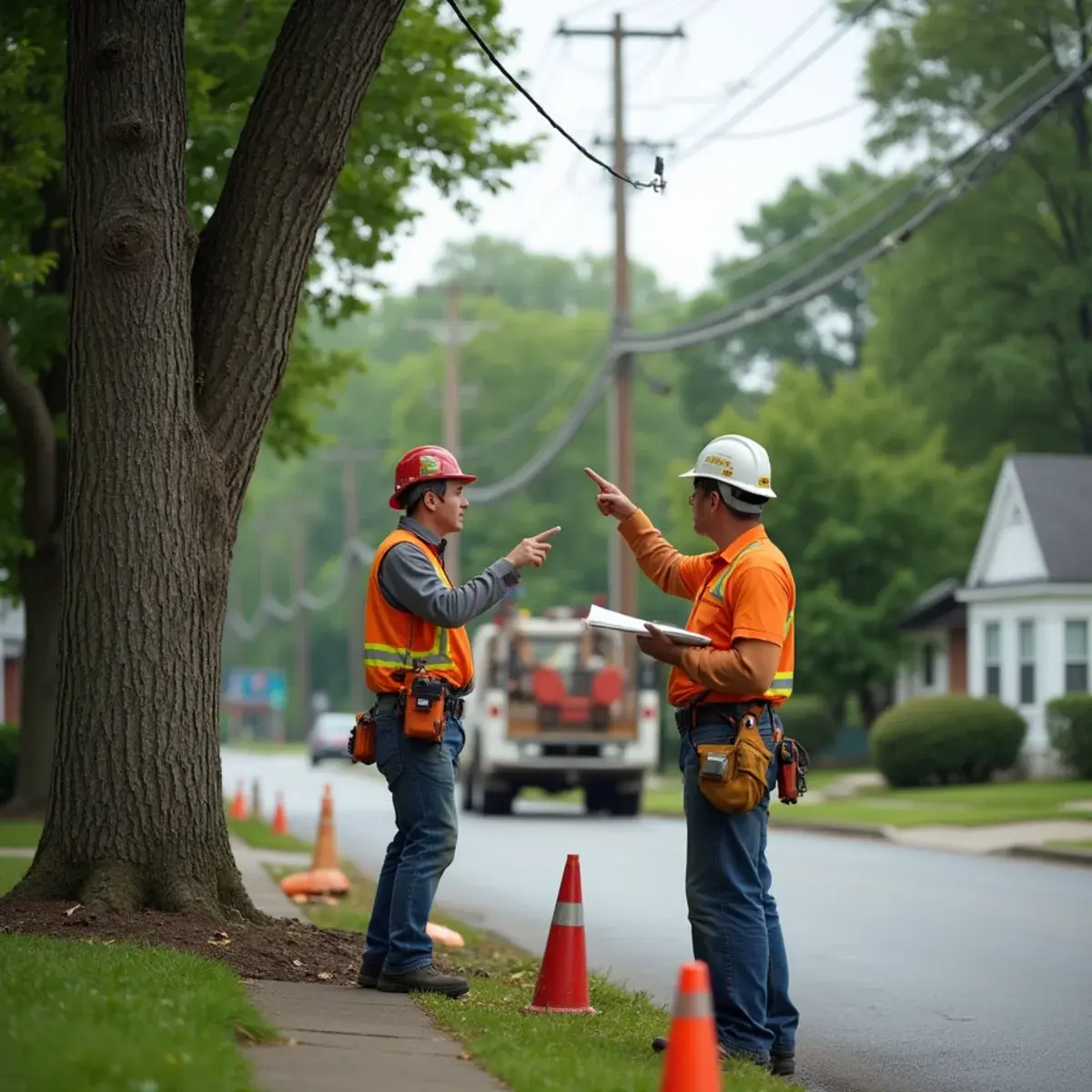
Some municipalities regulate right-of-way and large-diameter tree removal. Work near energized lines may need utility coordination. A company that knows what applies to your address is doing the job properly. A company that has never considered it is going to improvise.
9. Can I see recent local reviews?

Not a handful of testimonials on a website — actual reviews on the Google profile, with dates and specifics. Look for patterns rather than star counts. Do people mention cleanup? Do they mention showing up when promised? Does the owner respond to criticism reasonably?
Reviews that describe the same three things over and over are usually telling you the truth about a company. Our own reviews say the same things repeatedly: fast response, fair price, thorough cleanup. That consistency is the point.
10. Who is actually doing the work?
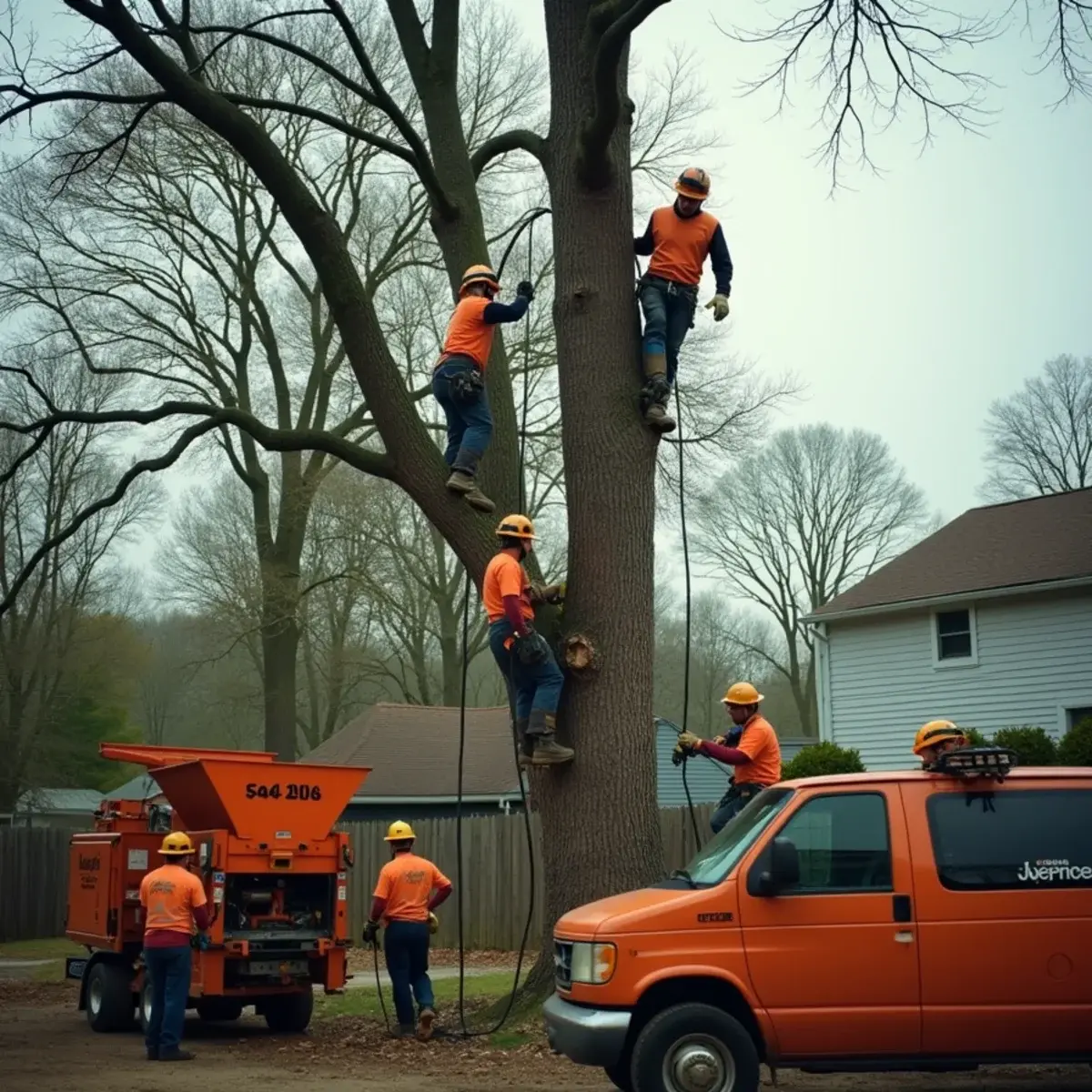
Is the person quoting you the person running the crew, or a salesperson who will hand it off? Are the crew employees or day labor assembled that morning? There is nothing wrong with a company that subcontracts, as long as you know and the insurance covers everyone on the property.
What a good estimate looks like
- 1They come to the property. Nobody prices a tree accurately from a phone call.
- 2They walk it with you and look at the root flare, the trunk and the canopy — not just the branch you pointed at.
- 3They tell you what they see, including when the answer is that the tree is fine.
- 4You get it in writing, with the scope spelled out and stump grinding as a separate line.
- 5There is no pressure to decide on the spot.
- 6The insurance certificate is offered rather than requested.
One more thing
The cheapest quote is not automatically the wrong one — several of our customers have written that we came in at half of what they were quoted elsewhere for identical work with full cleanup. But a cheap quote paired with no insurance certificate and no written scope is not a bargain. It is a risk transfer, and you are the one taking it on.
If you want a free, no-pressure look at what you are dealing with, our tree health and risk assessments cost nothing and come with a straight answer.