Oak Wilt in Michigan: How to Recognize It and How to Not Cause It
There is no cure for oak wilt in a red oak. Prevention is the entire game, and the single most important rule is about when you prune.
What this guide covers7 sections
Oak wilt is the most serious tree disease in Michigan that homeowners can actually do something about. It is present across the Lower Peninsula, it kills red oaks fast, and it spreads underground from tree to tree.
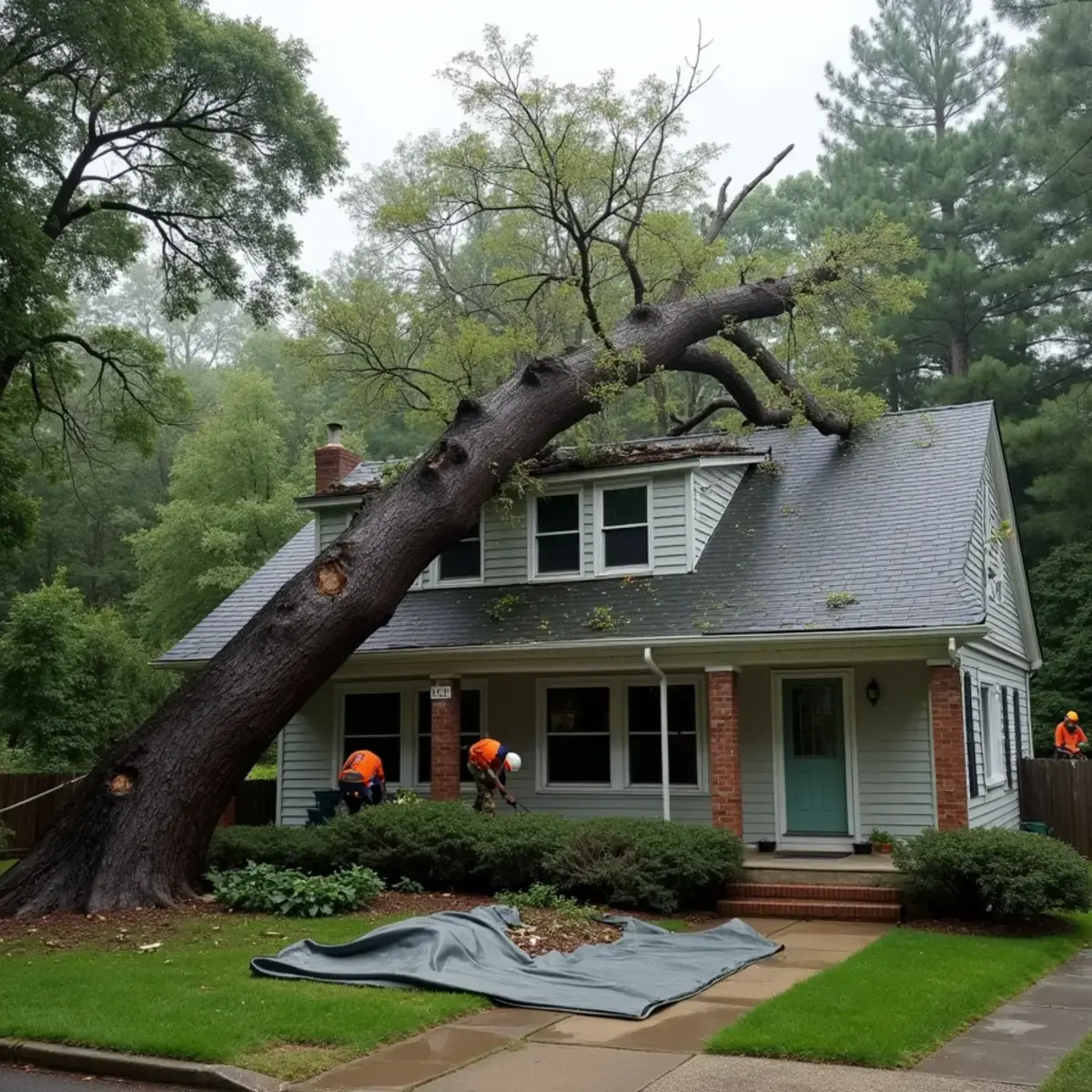
It is also, in a meaningful share of cases, human-caused. Somebody prunes an oak in June, or storm-damages one and leaves the wound open, and the beetles do the rest.
What oak wilt actually is
Oak wilt is caused by a fungus, Bretziella fagacearum, that grows inside the tree's water-conducting vessels. The tree responds by plugging those vessels to wall off the infection, which has the effect of cutting off its own water supply. The leaves wilt and drop. In a red oak the whole process can finish in a single growing season.
Red oaks versus white oaks
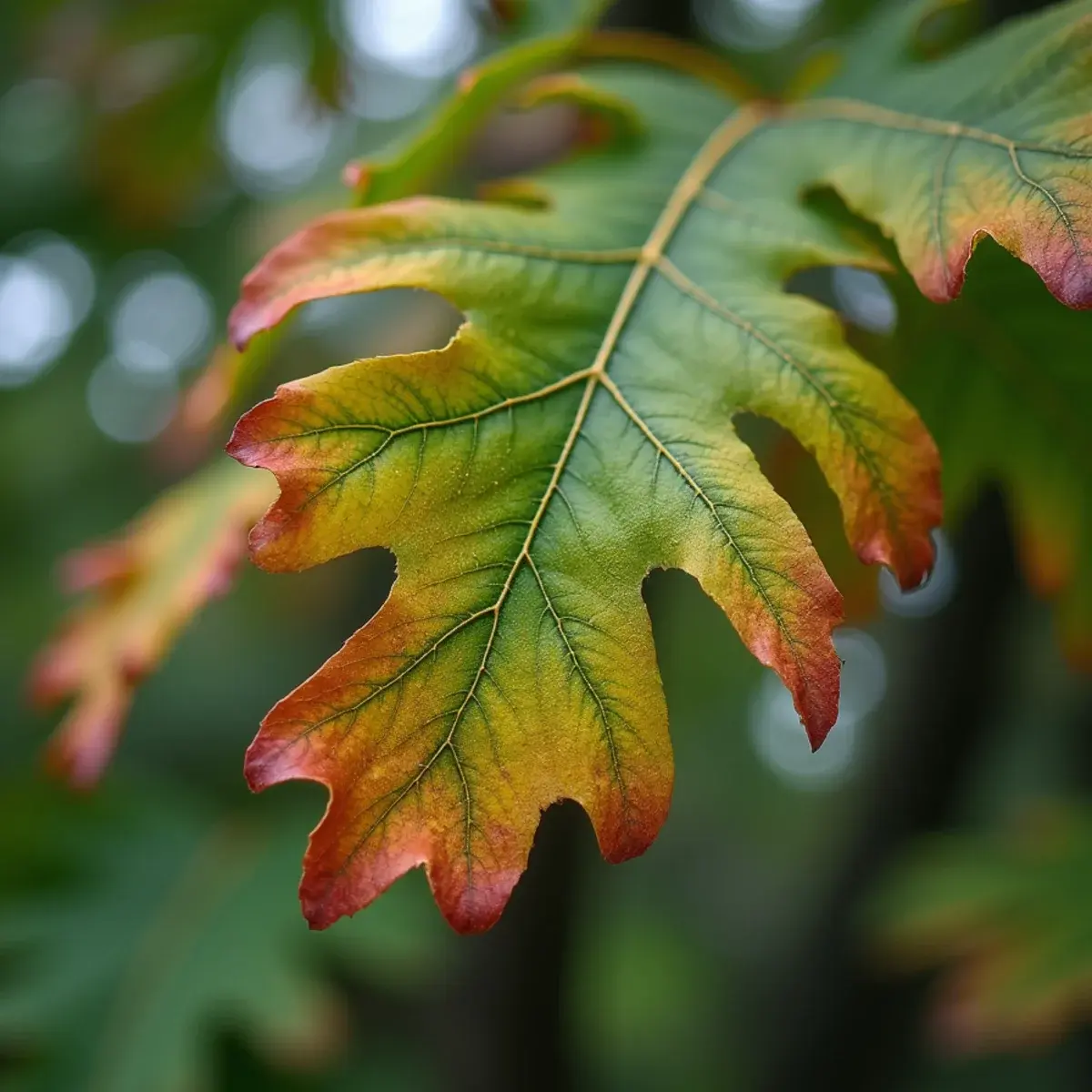
This distinction matters enormously. Red oak group species — northern red oak, black oak, pin oak, scarlet oak, anything with pointed, bristle-tipped leaf lobes — are highly susceptible and usually die within weeks to months of showing symptoms.
White oak group species — white oak, bur oak, swamp white oak, chinkapin, anything with rounded leaf lobes — are far more resistant. They have narrower vessels that limit fungal spread and they often survive infection, sometimes losing only a branch or two. Knowing which you have changes how worried you should be.
How to recognize it
- Rapid leaf browning in early to mid summer, starting at the top of the canopy and working down.
- Leaves browning from the tip and outer edges inward, often with a distinct line between green and brown on the same leaf.
- Massive leaf drop in June or July — green, half-brown and fully brown leaves all falling together. Healthy oaks do not drop leaves in July.
- The whole canopy going in weeks rather than a gradual decline over years.
- On red oaks, fungal mats forming under the bark that crack it outward, sometimes with a sweet fermented smell.
How it spreads — two routes
Above ground: sap beetles and fresh wounds
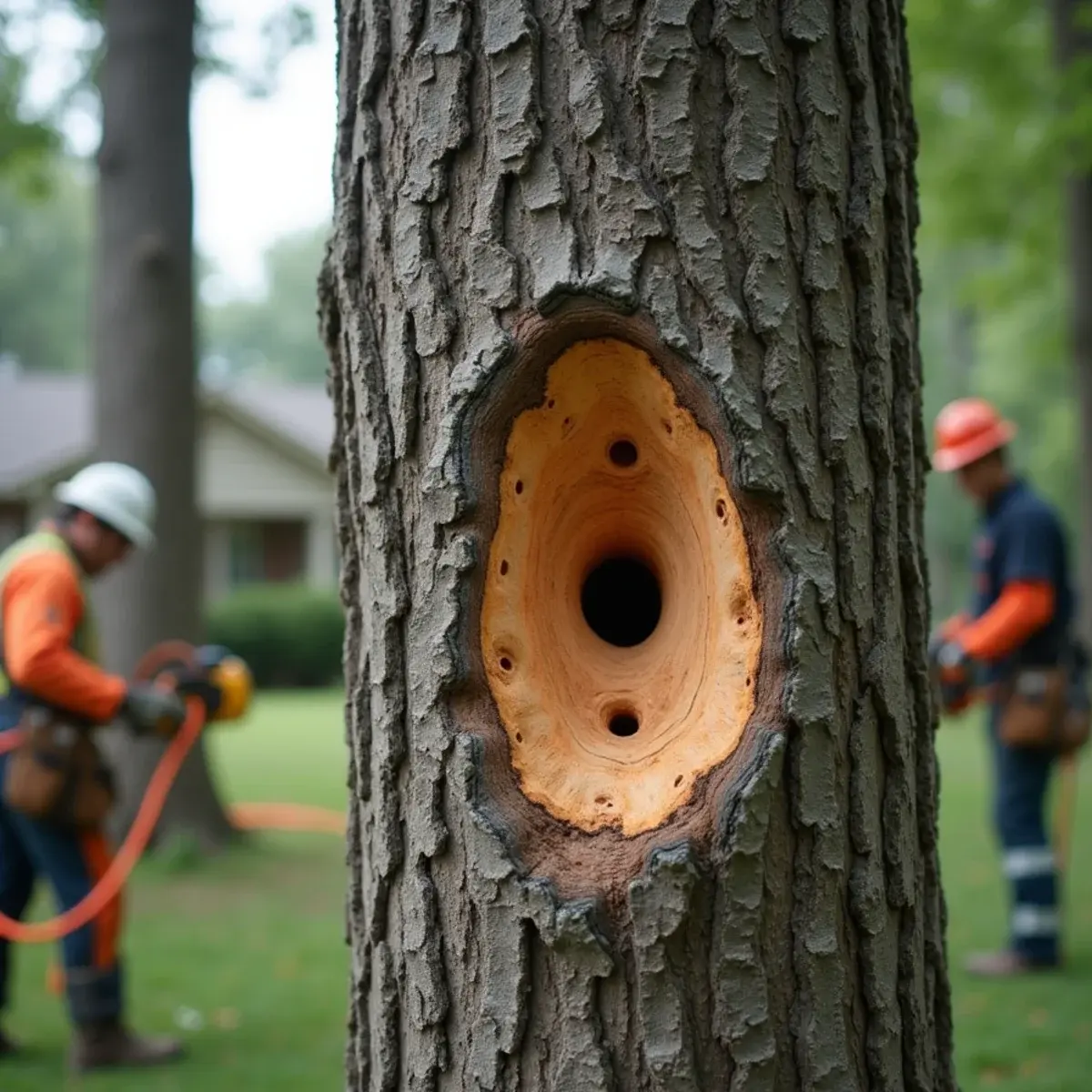
Sap-feeding beetles visit the fungal mats on infected trees, pick up spores, and then fly to fresh wounds on healthy oaks — which they find by smell. A pruning cut, a storm break, a nick from a string trimmer or a construction scrape all qualify. The beetles are active from roughly April through July, which is why that window is off limits for oak pruning.
Below ground: root grafts
This is the route most homeowners have never heard of. Oaks of the same species growing near each other frequently fuse their roots underground into a connected network. The fungus moves through those grafts directly, which is why oak wilt tends to kill in expanding circles — one tree, then the two beside it, then the ones beyond those.
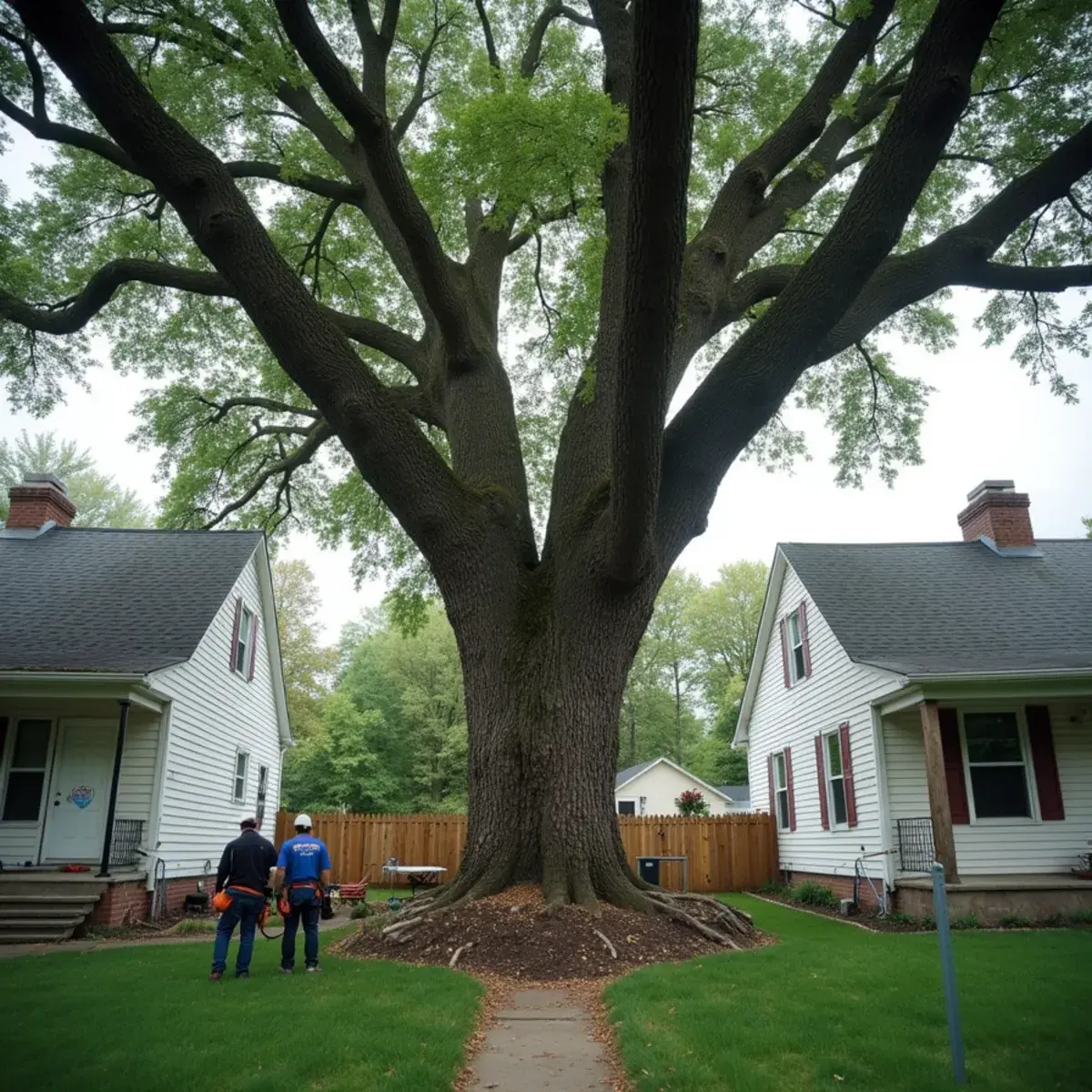
In a wooded neighborhood in Northville or Ann Arbor where mature red oaks stand thirty feet apart, root grafting between them is likely rather than possible.
Prevention, in order of importance
- 1Do not prune oaks between April and July. This is the single highest-impact thing you control. Our pruning calendar for Michigan covers the full timing picture.
- 2If an oak is wounded during that window by a storm, a mower or construction, seal the wound the same day. Wound paint is generally discouraged on trees, and oaks in oak wilt season are the one clear exception.
- 3Never move or store unseasoned red oak firewood from an infected tree. Fungal mats can form on cut wood and produce spores. If you must keep it, tarp it completely through the following summer.
- 4Do not let utility crews or landscapers cut oaks in summer without discussion. It happens routinely and it is a common infection route.
- 5Know your trees. Identify which oaks on your property are red group versus white group so you know your actual exposure.
If a nearby oak has it
Standard practice is to sever the root grafts between the infected tree and the healthy ones around it, usually by trenching or vibratory plowing to a depth of about five feet along a line between them. That has to happen before the fungus travels, so timing matters. The infected tree should then be removed and the wood handled carefully.
Preventive fungicide injection exists for high-value uninfected oaks near a known infection. It requires a licensed applicator, it is not cheap, and it is a treatment for prevention rather than cure. We do not apply pesticides ourselves — what we do is identify what you are dealing with, handle the removal and pruning side, and point you to the right specialist.
What we do
We prune oaks in the dormant window and we do not make exceptions for convenience. If your oak needs work in June and it is not a genuine hazard, we will schedule it for winter and tell you exactly why. Our tree health and risk assessments are free, and if an oak does need to come out, our removal crew handles the wood properly.
Michigan DNR and MSU Extension both publish detailed oak wilt guidance, and any tree company working in this state should be following it without being asked.